Разновидности свинцово-кислотных аккумуляторных батарей
Статья является составной частью «Руководства покупателя аккумуляторных батарей для систем автономного и резервного электроснабжения«
©При цитировании ссылка на эту страницу и на «Ваш Солнечный Дом» обязательна
Все статьи про аккумуляторы на нашем сайте собраны на странице Путеводитель по аккумулированию.
В статье есть много гиперссылок на ключевых словах. Переходите по ним для более подробной информации.
Общая информация
Серийный выпуск и массовая эксплуатация свинцово-кислотных аккумуляторных батарей были начаты еще в конце 19 века. В начале 20 века они начали широко применяться в автомобилях, развивая далее сферу своего применения, легко перешагнули рубеж тысячелетия и до сих пор продолжают оставаться надежными, долговечными, не требующими высоких эксплуатационных затрат и относительно дешевыми источниками энергии.
Аккумулятор — это химический источник тока, способный многократно преобразовывать химическую энергию в электрическую и аккумулировать, запасать ее на длительное время. Упрощенно аккумулятор можно представить следующим образом: два электрода, в виде пластин, помещены в раствор серной кислоты с плотностью 1,27-1,29 г/см3. При этом положительный электрод выполнен из двуокиси свинца (PbO2), а отрицательный из свинца (Pb). При прохождении тока между ними протекают окислительно-восстановительные реакции.
 При разряде происходит химическая реакция, в результате которой активная масса обоих электродов начнет изменять свой химический состав, преобразуясь из губчатого свинца и его двуокиси в сернокислый свинец (сульфат свинца — PbSO4), а плотность электролита начнет падать. В результате внутри батареи образуется направленное движение ионов и в цепи потечет электрический ток. При заряде аккумулятора происходит обратный процесс — направление тока меняется на противоположное, активные массы восстанавливают свой первоначальный химический состав, а плотность электролита растет. Процесс этот, называемый циклом, может быть многократным. Количество запасаемой при этом электрической энергии зависит от площади активного взаимодействия электродов и электролита и его объема. Номинальное напряжение, вырабатываемое таким аккумулятором, составляет 2 вольта. Для получения большего значения напряжения одиночные аккумуляторы соединяют последовательно. Например: 12-ти вольтовый аккумулятор состоит из шести аккумуляторов, последовательно соединенных в общем корпусе .
По конструкции свинцово-кислотные аккумуляторы бывают обслуживаемые и необслуживаемые. Обслуживаемые требуют в процессе эксплуатации определенного ухода (контроля уровня и плотности электролита). Необслуживаемые — являются герметичными (точнее, герметизированными), работают в любом положении и не требуют ухода.
В международной интерпретации принято обозначение в виде SEALED LEAD ACID BATTERY (герметичная свинцово-кислотная батарея) или сокращенно SLA, а также VRLA — Valve Regulated Lead Acid (свинцово-кислотные с регулируемым клапаном) батареи, имеющие сернокислый электролит в виде геля или связанная в стекловолокне (AGM). Такие аккумуляторные батареи имеют более высокие электрические и эксплуатационные параметры.
Применение такие батареи находят в качестве резервных источников в системах сигнализации и охраны и медицинском оборудовании. Однако самое широкое применение они имеют в источниках бесперебойного питания (ИБП), а также в системах автономного электроснабжения на базе возобновляемых источников энергии.
Основные типы свинцово-кислотных аккумуляторов
Есть следующие основные типы свинцовых аккумуляторных батарей, которые можно применять в системах автономного электроснабжения:
- стартерные — все вы их прекрасно знаете, требуют обслуживания и вентиляции. Имеют высокий саморазряд.
- AGM — эти герметизированные, необслуживаемые батареи не требуют вентилируемого помещения для установки. Недорогие батареи AGM типа прекрасно работают в буферном режиме, т.е. в режиме подзарядки. В таком режиме служат до 10-15 лет. Если же их использовать в циклическом режиме (т.е. постоянно заряжать-разряжать на хотя бы 30% от емкости), то их срок службы существенно сокращается.
AGM батареи общего назначения обычно используются в недорогих бесперебойниках (UPS); вообще UPS предназначены для аварийного завершения работ, а не для питания нагрузки в постоянном режиме. Поэтому, учитывая что обычно они стоят в офисах, там и ставят AGM батареи. Если АБ и выйдет из строя преждевременно, все же это во многих случаях дешевле, чем риск потери информации и результатов работы. Нельзя заряжать AGM аккумуляторы током более 0,3С, иначе они могут вспучиться.
Для резервных систем электроснабжения необходимо применять AGM батареи глубокого разряда, в которых применены специальные технологии, увеличивающие их срок службы в цикличных режимах работы. - Гелевые батареи — также герметизированные и необслуживаемые. Они лучше выдерживают циклические режимы заряда-разряда. Также, они лучше переносят сильные морозы. Снижение емкости при понижении температуры аккумуляторов меньше, чем у других типов аккумуляторов. Их применение более желательно в системах автономного электроснабжения, когда батареи работают в циклических режимах (заряжаются и разряжаются каждый день) и нет возможности поддерживать температуру аккумуляторов в оптимальных пределах. Гелевые батареи немного дороже AGM батарей и тем более стартерных.
Почти все герметичные аккумуляторы могут устанавливаться на боку.
Гелевые аккумуляторы тоже отличаются по назначению — есть как общего назначения, так и глубокого разряда. - тяговые — предназначены для цикличных режимов. Более подходят для автономных систем энергоснабжения). Но и значительно дороже стартерных и гелевых АБ, обычно имеют жидкий электролит, требуют обслуживания и вентилируемого помещения для эксплуатации.
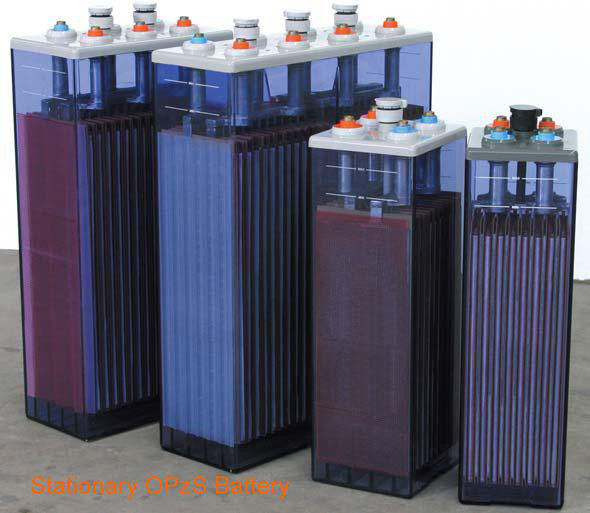
- Есть еще специальные «солнечные» — специально разработаны для «тяжелых» цикличных режимов. Лучше всего работают заливные батареи с намазными пластинами (серия OPzS).
Эти батареи спроектированы специально для использования в системах автономного электроснабжения. «Солнечные » батареи в России пока не очень распространены, фирмы их возят на заказ до 3 месяцев, и стоят они гораздо дороже.
Имеют пониженное газовыделение. Допускают много циклов заряд-разряда до 60% от номинальной емкости без повреждения и значительного сокращения срока службы. - Есть и вариант с герметичным исполнением — серия OPzV. Эти аккумуляторы имеют трубчатые электроды намазного типа и гелевый электролит. В последнее время появились китайские аккумуляторы такого типа, цена их значительно меньше европейских и американских. Такие аккумуляторы выпускаются как отдельные банки напряжением 2 В емкостью от 200 Ач и выше. Есть также и батареи напряжением 6 и 12 В емкостью до 260 А*ч. По цене цикла аккумуляторы OPzV являются самыми оптимальными, цена цикла дешевле, чем у гелевых и тяговых аккумуляторов, они не требуют обслуживания и замена нужна гораздо реже (что тоже снижает стоимость эксплуатационных расходов).
- Новый тип герметизированных свинцово-кислотных аккумуляторов для систем электроснабжения — карбоновые (см. ниже).
Ниже приведена более подробная информация по герметизированным аккумуляторам.
Аккумуляторные батареи с технологией AGM
 AGM батареи — герметичные, необслуживаемые, не требуют вентилируемого помещения для установки. Батареи AGM прекрасно работают в буферном режиме, т.е. в режиме подзарядки. В таком режиме служат до 10-12 лет (батареи напряжением 12В) или даже до 18 лет (батареи напряжением 2В). Если же их использовать в циклическом режиме (т.е. постоянно заряжать-разряжать на хотя бы 30%-40% от емкости), то их срок службы сокращается. Смотрите замечания по определению срока службы аккумуляторов.
Такие АБ имеют большую, по сравнению со стартерными батареями, толщину пластин электродов, поэтому срок их службы в режиме длительного разряда намного превышает срок работы стартерных батарей.
Герметизированные батареи разделяются также на подгруппы в зависимости от допустимых режимов их эксплуатации и срока службы. Различные подгруппы имеют различные области применения — например, общего назначения (для работы в буферном режима), глубокого разряда, для электромобилей, тяговые и т.д.
Аккумуляторы общего назначения обычно дешевле аккумуляторов, рассчитанных на глубокий разряд. Они наиболее распространены на российском рынке. Более того, практически все аккумуляторы, которые завозятся в Россию, являются аккумуляторами общего назначения. Это объясняется тем, что основной потребитель герметичных, необслуживаемых аккумуляторов — системы телекоммуникаций. Они используются для обеспечения резервного электроснабжения в случае аварий в сетях централизованного электроснабжения.
Батареи общего назначения прекрасно работают в буферном режиме, т.е. в режиме подзарядки. В таком режиме служат до 10-12 лет. Есть более дешевые модели со сроком службы до 5 лет. Если же их использовать в циклическом режиме (т.е. постоянно заряжать-разряжать на хотя бы 30%-40% от емкости), то их срок службы существенно сокращается.
Такие АБ также используются в UPS; вообще UPS предназначены для аварийного завершения
работ, а не для питания нагрузки в постоянном режиме. Поэтому, учитывая что обычно они стоят в офисах, там и ставят AGM батареи общего назначения.
В системах на с использованием возобновляемых источников энергии, а также в системах бесперебойного питания целесообразно использовать немного более дорогие, герметичные, необслуживаемые аккумуляторы глубокого разряда. AGM аккумуляторы обычно используются в резервных системах электроснабжения, т.е. там, где батареи в основном находятся на подзаряде, и иногда, во время перебоев в электроснабжении, отдают запасенную энергию.
Такие АБ имеют большую, по сравнению батареями общего назначения (и тем более, стартерными батареями), толщину пластин электродов; также, в них применены специальные технологии, поэтому срок их службы в режиме длительного разряда намного превышает срок работы стартерных батарей и герметичных батарей общего назначения.
AGM аккумуляторы обычно имеют максимальный разрешенный ток заряда 0,3С, и конечное напряжение заряда 14,8-15В. Для их заряда лучше применять специальные зарядные устройства для герметизированных аккумуляторов.
Гелевые аккумуляторные батареи
В гелевых аккумуляторах электролит обездвижен. В обычных гелевых аккумуляторах для загущения электролита используется силикагель. Есть еще проприетарная технология загущения электролита dryfit немецкой компании Sonnenshine, где для загущения электролита используется керамическая крошка. В остальном конструкция похожа на обычные AGM-гель аккумуляторы.
Гелевые аккумуляторы не подвержены такому явлению, как расслоение плотности электролита по высоте. Этот эффект характерен для аккумуляторов с жидким электролитом, как находящимся в свободном состоянии, так и впитанным в стекловолоконный сепаратор (AGM). Он объясняется тем, что при заряде свинцово-кислотного элемента вблизи его электродов образуется концентрированная серная кислота с высокой удельной массой по сравнению с плотностью разбавленной серной кислоты, которая под действием силы тяжести стремится опуститься на дно аккумуляторного элемента, обедняя тем самым поверхностные слои электролита. Гель представляет собой объемную структуру, где, в идеале, каждая молекула жидкости пространственно связана мельчайшими частицами «желеобразователя», поэтому разделение электролита по плотности чрезвычайно затруднено и практически не наблюдается, даже в конце срока эксплуатации.
Гелевые аккумуляторные батареи имеют ряд преимуществ по сравнению с аккумуляторами с технологией AGM при сохранении всех их достоинств — герметичности, необслуживаемости, практическом отсутствии вредных газовыделений при работе, большой срок службы.
Гелевые батареи лучше выдерживают циклические режимы заряда-разряда. Их применение более желательно в системах автономного электроснабжения. Однако они дороже AGM батарей и тем более стартерных.
Гелевые аккумуляторы имеют примерно на 10-30% больший срок службы, чем AGM аккумуляторы. Также, они менее болезненно переносят глубокий разряд. Одним из основных преимуществ гелевых аккумуляторов перед AGM является существенно меньшая потеря емкости при понижении температуры аккумулятора. К недостаткам можно отнести необходимость строгого соблюдения режимов заряда.
Поэтому гелевые аккумуляторы рекомендуется применять там, где требуется обеспечить долгий срок службы при более глубоких режимах разряда, а также, если температура аккумуляторов опускается ниже 5 градусов Цельсия.
Плюсы гелевых аккумуляторов
Плюсов этой технологии действительно много:
- Абсолютно необслуживаемая технология — не нужно туда лезть, там и без вас хорошо.
- Гель между пластинами, который держит электролит, является диэлектриком, и защитой от осыпания электродов.
- Нет испарения электролита, он всегда находится в геле – газ рекомбинируется обратно внутрь. Поэтому можно применять дома в системах альтернативного энергоснабжения, ведь водород и кислород не улетучиваются.
- Может дать большие токи запуска – зимой авто запускается практически всегда.
- Увеличенный срок службы – если сравнить с обычной стартерной АКБ, то разница может достигать трех раз. Обычный работает в среднем 2-3 года, гелевый 6 – 10 лет.
Сравнение AGM и гелевых батарей
| AGM | гелевые |
| Преимущества | |
| — низкая начальная стоимость по сравнению с гелевыми; — идеально подходит для работы в буферном режиме в сетях с редкими перебоями в электроснабжении; — превосходные рабочие характеристики при коротких режимах разряда большой мощности; — для коротких режимов разряда большой мощности можно использовать батареи меньшего размера |
— полное восстановление из состояния глубокого разряда, даже в том случае, когда к процессу заряда не приступили немедленно после разряда батареи; — более надежны при эксплуатации в режиме циклирования; — прекрасные рабочие характеристики при длительных разрядах; — хорошая устойчивость в условиях высоких температур; — применимы в условиях нестабильного сетевого питания; — утолщенные электроды снижают коррозию решетки и увеличивают долговечность батареи; — повышенная переносимость к плохим параметрам подзаряда |
| Зависимость наработки аккумулятора от глубины разряда (DOD) | |
 |
 |
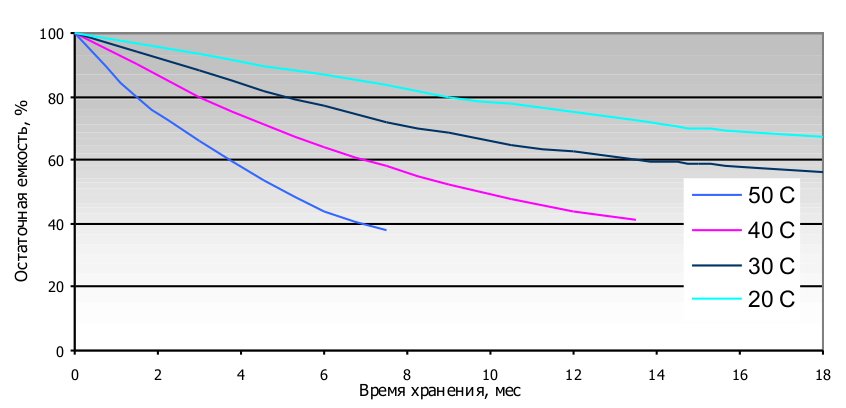
| Характеристики саморазряда | |
 |
|
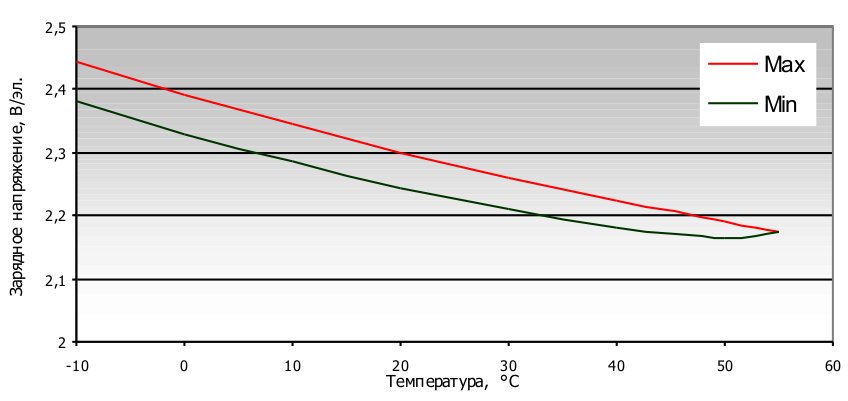
| Взаимосвязь зарядного напряжения и температуры | |
 |
 |
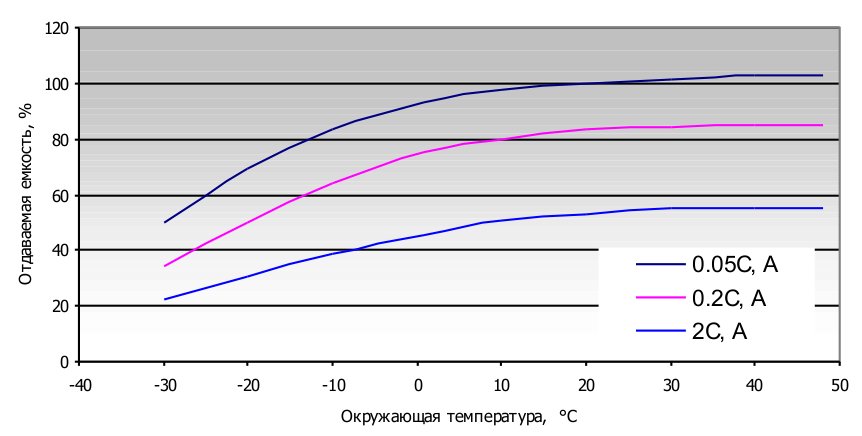
| Зависимость емкости от температуры | |
 |
 |
Гибридные AGM-гель аккумуляторы
Успех гелевых аккумуляторов, а также стремление производителей иметь преимущества гелевых аккумуляторов при цене AGM аккумуляторов привело к созданию гибридных AGM-гель аккумуляторов. В этих аккумуляторах действительно присутствует гель, но он намного более жидкий и мелкодисперсный, и не может самостоятельно держать форму. Поэтому в таких аккумуляторах применяется AGM сепаратор. По характеристикам такие аккумуляторы оказываются ближе к AGM аккумуляторам — как по сроку службы в циклах и годах, так и по устойчивости к глубоким разрядам.
Но наличие электролите в виде геля позволило производителям и продавцам называть такие аккумуляторы «гелевыми». На многих таких аккумуляторах просто написано «Гелевые» или «Gel». Цена таких аккумуляторов намного дешевле, чем настоящих гелевых. Неосведомленный покупатель, наслышанный о преимуществах гелевых аккумуляторов, покупает такие гибридные аккумуляторы из-за существенно более низкой цены.
К сожалению, на российском рынке в последнее время практически все аккумуляторы, называемые «гелевыми», в реальности являются гибридными AGM-гелевыми, с соответствующими характеристиками. Такие аккумуляторы продаются под брендами Delta (тип Gel, GX, Solar), MNB-Battery (тип MNG), Вектор, Восток и многими другими.
Чисто гелевые — Leoch LPG, Haze HZY, Prosolar DG.
Карбоновые аккумуляторы
Карбоновые АКБ появились на рынке относительно недавно и считается, что способны заменить привычные свинцово-кислотные в сфере тяговых аккумуляторов. Благодаря применению углеродосодержащих материалов в составе свинцовых пластин, сульфатация наступает гораздо позже чем у AGM и гелевых батарей.
Электролит: в карбоновых батареях используют коллоидный электролит (добавление SiO2 (гель) в электролит в небольшом количестве).
Существует уже два поколения карбоновых батарей. В первом поколении углерод добавлялся только в свинец при производстве отрицательной решетки. Кроме углерода в сплав добавляется олово и кальций. Решетка получается с высокой проводимостью, прочностью, коррозионностойкостью. . Перемешивание С(углерода) и Pb(свинца) происходит химическим и физическим способом для выравнивания размеров и плотности С и Pb. Добавление углерода в состав активной массы резко снижает процесс сульфатации пластин.
Во втором поколении углерод добавляют в активную массу отрицательной пластины, как и в саму решетку.
Разница между первым и вторым поколением: 1е поколение нельзя разряжать большими токами, но можно полностью заряжать. 2е поколение можно разряжать большими токами, но не рекомендуется полностью заряжать.
Заряжать карбоновые батареи рекомендуется до 90-100% (PSOC). Разряжать до 30% от номинала. Желательно не разряжать до 100% от номинальной ёмкости. В идеале работа батареи должна быть следующим образом: разряд со 100% от номинальной ёмкости до 30% от номинальной ёмкости, затем заряд до 90% от номинальной ёмкости, затем разряд до 30% от номинальной ёмкости и так далее. DOD(глубина разряда) обычно 60% от номинальной ёмкости. В этом режиме 4800 циклов заряд-разряд. Если снимать 80% от номинальной ёмкости, то 3800 циклов заряд-разряд.
Коллоидный электролит полимерного состава позволяет сбалансировать пропорцию электролита с сепаратором AGM, устранить явление расслоения, улучшить теплопроводность и ионную проводимость батареи и избежать риска терморазгона.
DOD (глубина разряда) обычно 60% от номинальной ёмкости. В этом режиме достигается до 4800 циклов заряд-разряд. Если снимать 80% от номинальной ёмкости, то 3800 циклов заряд-разряд.
Инженеры компании Hitachi (CSB battery) утверждают, что их карбоновые батареи могут совершать 2400 циклов полного разряда аккумулятора. У литиевых батарей количество циклов примерно 3000. Обратите внимание, что количество циклов карбоновых батарей соответствует количеству циклов литиевых аккумуляторов.
Рассмотрим плюсы карбоновых батарей, которые заявляют их производители:
- Долгая эксплуатация батареи. Обычные аккумуляторные батареи в среднем рассчитаны примерно на 500 циклов при 50% глубине разряда. Это два – три года работы в циклическом режиме. Есть дорогие модели, с добавлением различных примесей в состав пластин, что увеличивает циклический ресурс. Но карбон превосходит и их. До 2000 циклов потерь емкости практически нет. Примерно на 3000 потери составляют около 50%. Ну и на 5000 циклов – емкость будет примерно 30%. Получается, что карбоновый аккумулятор работает не 2 года, а 8 без потерь, и даже через 12 лет остается во вполне работоспособном состоянии. Срок службы в режиме буфера может достигать 20 лет. Это выгодно удобно и экономично. Естественно, за эти годы его стоимость окупится не один раз.
- Карбоновые батареи быстрее заряжаются, а значит не нужно тратить время и ждать. Это особенно актуально, если используете аккумулятор для складского транспорта и техники на электрической тяге, или заряжаете аккумуляторы от генератора. Заявляется супер-быстрая зарядка: от 0% до 90% SoC менее чем за 1,5 часа
- Возможность заряжать повышенными токами — до 30% от емкости аккумуляторной батареи. Этот показатель аналогичен такому для AGM аккумуляторов.
- Увеличенный срок службы в буферном режиме благодаря низкому току поддерживающего заряда.
Ограничения карбоновых батарей
К недостаткам новой технологии можно отнести, то что они хуже держат емкость при высокой токоотдаче. Например, не рекомендуется использовать карбоновые аккумуляторы как стартовые или для лебедок. Нужно помнить, что они разрабатывались как тяговые для равномерной отдачи электричества на всем этапе разряда. При высокой токоотдаче их емкость падает не равномерно! Таким образом, если устройство потребляет большие токи за короткий промежуток времени, лучше применить традиционную AGM/Gel батарею.
Применение карбоновых аккумуляторов
Карбоновые батареи надо использовать в устройствах, где нужна повышенная цикличность. Карбоновые батареи идеально подходят для систем альтернативной энергетики. Они легко и быстро заряжаются, отлично держат заряд и выдают стабильное напряжение. Поэтому, если решили собрать энергосистему на ветрогенераторах или солнечных батареях для личного пользования или под зеленый тариф – это то, что нужно. Также благодаря «длительности жизни» в буферном режиме их можно рекомендовать для систем резервного питания в телекоммуникационной сфере: серверные шкафы, ЦОД и офисы.
Кроме этого, карбоновые аккумуляторы будут востребованы для применения в гольф-карах, инвалидных колясках и подобных устройствах.
Совсем не рекомендуется их устанавливать в ИБП (UPS).
Какой тип аккумулятора выбрать — AGM, гелевый или с жидким электролитом?
Определяющими факторами при выборе аккумуляторных батарей для вашей системы являются цена, условия, при которых будет работать батарея (температура, условия обслуживания, наличие специального помещения и т.п.), а также ожидаемый срок службы аккумуляторной батареи.
Применение автомобильных стартерных батарей в системах электроснабжения может быть оправдано только в низко-бюджетных системах, которые будут под пристальным контролем обслуживающего персонала (необходимо следить за уровнем и плотностью электролита, регулярно проводить выравнивающий заряд АБ, и т.п.). Необходимо также помнить, что для эксплуатации такого типа батарей необходимо отдельное, хорошо вентилируемое помещение.
В связи с этим, в системах на базе возобновляемых источников энергии, а также в системах бесперебойного питания, целесообразно использовать, хотя и более дорогие, герметичные, необслуживаемые АБ. Солнечная батарея, термоэлектрический генератор и небольшой мощности ветроэлектрическая установка вырабатывают сравнительно небольшой ток, поэтому заряд АБ длится много часов и в этом случае подходят даже самые дешевые из необслуживаемых АБ.
Такие АБ имеют большую, по сравнению со стартерными батареями, толщину пластин электродов, поэтому срок их службы в режиме длительного разряда намного превышает срок работы стартерных батарей.
Сравнение AGM, OPzV и OPzS аккумуляторов*
| N | Параметр | AGM | Гелевые трубчатые OPzV | Трубчатые с жидким электролитом OPzS |
| 1 | Газовыделение | Нет газовыделения, может быть установлена в любом месте | Нет газовыделения, может быть установлена в любом месте | Высокое газовыделение, нужно отдельное помещение с вытяжной вентилляцией для размещения батарей |
| 2 | Обслуживание электролита | Нет | Нет | Требуется часто |
| 3 | Уровень зарядного тока | высокий | средний | низкий |
| 4 | Требования к размещению | малый размер элемента, малые занимаемые площади | малый размер элемента, малые занимаемые площади | большой размер элемента, большие занимаемые площади |
| 5 | Установка | обычно горизонтально или вертикально | горизонтально или вертикально | только вертикально. Установка друг над другом обычно невозможна для больших батарей |
| 6 | Транспортировка | Может транспортироваться в заряженном состоянии | Может транспортироваться в заряженном состоянии | Транспортировка только разряженными и без электролита |
| 7 | Саморазряд и восстановление | 50% саморазряд за 6 месяцев. Легкое восстановление | 50% саморазряд за 6 месяцев. Легкое восстановление | Очень высокий саморазряд. Восстановить трудно |
| 8 | Срок службы (при 80% глубине разряда), циклов | 500 | более 1200 | теоретически до 1500 |
| 9 | Срок хранения при подзаряде | средний | большой | большой |
| 10 | Работа при высокой температуре | удовлетворительно, рекомендуется 20±5°С. Более высокие температуры резко снижают срок службы | Хорошо, особенно в полевых условиях | Хорошо, но требуется обслуживание |
| 11 | Работа при низкой температуре | удовлетворительно, обычно температура не должна быть ниже -15°С | хорошо, до -25°С | плохо, обычно до -5°С |
| 12 | Стратификация (разделение плотности электролита по высоте) | пренебрежимо мала, не требуется выравнивающий заряд | пренебрежимо мала, не требуется выравнивающий заряд | заметная, требуется частый выравнивающий заряд для ее предотвращения |
| 13 | Емкость при очень малых токах разряда | хорошо | очень хорошо | удовлетворительно |
| 14 | Восстановление после глубокого разряда | удовлетворительно | хорошо | плохо, сильная сульфатация препятствует восстановлению |
| 15 | Скорость заряда | Отлично, 6-8 часов для 90% восстановления | Удовлетворительно, 8-10 часов для 90% восстановления | Плохо, 12-15 часов для 90% восстановления |
| 16 | Работа при недоразряде | удовлетворительно | хорошо | плохо |
| 17 | Влияние перезаряда | плохо, выводит из строя батарею (тепловой пробой) | хорошо | хорошо |
| 18 | Работа при недозаряде | удовлетворительно, приводит к сокращению срока службы | хорошо | плохо |
| 19 | Тепловой пробой | возможен, хотя и редко | невозможен | не наблюдался |
| 20 | Цена | средняя | высокая | низкая |
*Источник: IBT Innovative Battery Technology
Рекомендации по применению свинцово-кислотных аккумуляторов
Для того, чтобы понимать параметры аккумуляторов и делать правильный их выбор, нужно знать их основные параметры и характеристики. Основные характеристики описаны в статье «Основные характеристики аккумуляторов«
Безопасная эксплуатация
Для безопасной эксплуатации аккумуляторных батарей необходимо придерживаться следующих правил:
- Не создавать цепь короткого замыкания между клеммами батареи, поскольку значительный ток короткого замыкания заряженной батареи способен расплавить контакты клемм и нанести термический ожог.
- Не хранить аккумуляторные батареи в разряженном состоянии. В этом случае происходит сульфатация электродов и батареи значительно снижают свою емкость.
- Подключать аккумуляторную батарею в устройство только в правильном соответствии с полярностью. Заряженная батарея имеет значительный запас энергии и способна при неправильном подключении вывести устройство из строя.
- Не вскрывать корпус батареи. Содержащийся внутри гелеобразный электролит способен вызвать химический ожог кожи.
- Утилизировать отслужившую свой срок батарею в соответствии с правилами утилизации для изделий, содержащих тяжелые металлы.
Почти все герметичные аккумуляторы могут на какое-то время устанавливаться на боку. Некоторые производители даже разрешают эксплуатировать батареи в положении на боку. Поэтому ориентируйтесь на рекомендации производителя при выборе метода установки батарей.
Режимы циклирования
Аккумуляторы общего назначения в основном используются в буферных режимах эксплуатации. Это наиболее распространенный тип аккумуляторов из представленных на российском рынке. Они в основном используются в системах бесперебойного питания (UPS) для систем телекоммуникации (основной потребитель), компьютеров и т.п. Такие аккумуляторы не предназначены для регулярных циклических режимов работы, которые имеют место в автономных энергосистемах — солнечных, дизельных, ветровых и различных гибридных.
Для работы в циклических режимах нужно использовать специальные аккумуляторы, которые более безболезненно переносят глубокий разряд. Такие аккумуляторы обычно имеют более толстые пластины и в них применяются специальные технологии для продления срока их службы при регулярных глубоких разрядах. Также, еще одной особенностью автономных систем является то, что в них аккумуляторы заряжаются определенный период времени, и за это период они должны успеть полностью зарядиться. В буферном режиме это не представляет проблемы, так как большую часть времени эксплуатации аккумуляторы находятся на подзаряде. Именно в таком режиме обеспечиваются заявляемые производителем сроки службы в 10-18 лет.
При циклическом режиме эксплуатации, когда АБ разряжается на 30-50%, потом заряжается до 90-100%, затем опять разряжается, и т.д., срок службы аккумуляторов резко уменьшается. Для сравнения, у AGM аккумуляторов общего назначения срок службы снижается с 10000 циклов до 200 (а по нашему опыту, бывает даже меньше). Более подробно написано в этой статье.
Для автономных систем электроснабжения нужно выбирать аккумуляторы «глубокого разряда» (например ProSolar серий D или DG, а еще лучше аккумуляторы OPzV). Если можно выделить специальное помещение для аккумуляторов с соблюдение всех условий (вентиляция, пожаробезопасность) и есть обученный персонал, которые может обслуживать аккумуляторы с жидким электролитом, можно применять аккумуляторы глубокого разряда с жидким электролитом — OPzS, тяговые для электрических машин или другие с повышенным допустимым разрядом (например, Rolls).
Если такие условия не выполняются, лучше остановиться на герметичных аккумуляторах — они немного дороже, но гораздо проще в эксплуатации.

Наши рекомендации по применению различных типов АКБ
- В исключительных случаях, в низкобюджетных системах — Обычные стартерные батареи, если есть кому их обслуживать и место установки имеет принудительную вентиляцию. Нужно быть готовым к тому, что в таких батареях будет теряться часть энергии вследствие саморазряда. Автомобильные аккумуляторы также имеет смысл ставить, если система работает в очень тяжелых условиях, аккумуляторы сильно разряжаются и возможности зарядить их до 100% нет (например, при заряде от жидкотопливного генератора, или при условии использования простейших контроллеров заряда в фотоэлектрических системах). Любые аккумуляторы при хроническом недозаряде долго не протянут, поэтому более дешевые аккумуляторы будет не так жалко выкидывать. Конечно, более разумным вариантом будет обеспечить 100% заряд и выравнивание хотя бы раз в 2 недели.
- Если энергия «достается» дорого (например, в фотоэлектрических системах), то нужно обратить внимание на гелевые аккумуляторы (системы без обслуживающего персонала) или заливные аккумуляторы с намазными пластинами серии OPzS (большие промышленные системы). При этом очень желательно применение контроллеров с ШИМ-модуляцией тока заряда на последней стадии заряда. Если используется простой контроллер, то нужно периодически проводить тренировочные заряды до 100% емкости аккумуляторной батареи с применением специальных зарядных устройств.
- Герметизированные аккумуляторы лучше применять также, если обслуживать их некому, или нет специального вентилируемого помещения для аккумуляторов. Этот вариант дороже, чем с применением автомобильных аккумуляторных батарей, и срок службы батарей в цикличном режиме будет меньше, чем заявляется производителем в рекламных буклетах. С другой стороны, из-за малого саморазряда вы будете терять меньше энергии в самих аккумуляторах.
- Гелевые лучше переносят циклические режимы работы, поэтому их мы рекомендуем применять в автономных энергосистемах, когда аккумуляторы периодически заряжаются и разряжаются.
В резервных системах можно также использовать AGM батареи, их срок службы в таких режимах будет не намного меньше, чем у гелевых АБ. AGM батареи рекомендуется использовать в резервных системах электроснабжения, когда в основном батареи находятся в заряженном состоянии и периодически отдают энергию при авариях в системе электроснабжения. - Если мощность системы превышает 500 Вт и нужна высокая надежность в течение длительного периода эксплуатации, то можно заказать и «солнечные» батареи серий OPzS (заливные) или OPzV (герметичные). Такие батареи обеспечат надежное электроснабжение в тяжелых цикличных режимах работы аккумуляторной батареи. Эти аккумуляторы, при цене на 20-50% выше обычных гелевых, имеют в 3 раза больший срок службы. Такие батареи обеспечат надежное электроснабжение в тяжелых цикличных режимах работы аккумуляторной батареи.
- В автономных системах электроснабжения с солнечными батареями рекомендуется также ставить литий-железо-фосфатные аккумуляторы. Они обладают большим сроком службы в циклическом режиме и возможность глубокого разряда позволяет ставить в систему аккумуляторы в 2 раза меньшей емкости, чем свинцово-кислотные. Гораздо легче свинцово-кислотных аккумуляторов. Недостатки — высокая цена, необходимость применения балансиров и системы контроля, не все контроллеры и инверторы можно настроить для работы с литиевыми аккумуляторами.
Мы предлагаем аккумуляторые батареи следующих производителей (Китай)
- Вектор-Баттери
- MNB Battery
- Leoch и TopPower (полный аналог Leoch)
- Delta (торговая марка компании Энергон)
- Prosolar (Ritar Power)
Перейдите в раздел «Аккумуляторы» нашего Интернет-магазина для покупки аккумуляторов.
Вы также можете задать ваши вопросы нашим инженерам перед покупкой, мы с радостью проконсультируем вам по выбору наиболее подходящей для вашей энергосистемы типа и модели аккумуляторов.
Эта статья прочитана 76042 раз(а)!
Продолжить чтение
- 10000Кроме статей по ссылкам ниже, мы также рекомендуем начать с чтения статьи "Руководство покупателя АКБ", в которой даны начальные сведения и ссылки на вложенные материалы. Раздел "Основы - Аккумулирование энергии" Раздел "Оборудование - Аккумуляторы" Свинцово-кислотные аккумуляторы Литиевые аккумуляторы Раздел "Библиотека…
- 62Типы аккумуляторных батарей и области их применения В этой заметке содержатся общие советы по выбору аккумуляторов для систем с возобновляемыми источниками энергии. В заметке затронуты 3 основные технологии: литий-ионные, никель-металл-гидридные и свинцово-кислотные (AGM, или Gel). Мы постараемся избегать формул и…
- 50Классификация аккумуляторов для мобильных устройств Идеального аккумулятора энергии до сих пор не существует — в разных областях для каждого типа мобильных устройств и конкретных решений сложилась определенная специфика применения источников питания, а также технологические предпочтения. Однако если вы хорошо знаете…