Сколько лет работают солнечные батареи?
- 1 Как быстро солнечные панели деградируют/теряют свою эффективность?
- 2 Типы деградации солнечных панелей
- 3 Каков ожидаемый срок службы солнечных панелей?
- 4 Что будет с моими солнечными батареями после 25 лет эксплуатации?
- 5 Что можно сделать для увеличения срока службы солнечных панелей?
- 6 Какой срок службы имеют другие компоненты солнечной энергосистемы?
 Солнечные батареи были испытаны в полевых условиях на многих установках. Практика показала, что срок службы солнечных батарей превышает 30 лет. Фотоэлектрические станции, работающие в Европе и США около 25 лет, показали снижение мощности модулей примерно на 10%. Таким образом, можно говорить о реальном сроке службы солнечных монокристаллических модулей 30 и более лет. Поликристаллические модули обычно работают 20 и более лет. Модули из аморфного кремния (тонкопленочные, или гибкие) имеют срок службы от 7 (первое поколение тонкопленочных технологий) до 20 (второе поколение тонкопленочных технологий) лет.
Солнечные модули обычно деградируют быстрее в первые 2 года эксплуатации. Тонкопленочные модули теряют от 10 до 30% мощности в первые 2 года эксплуатации, поэтому обычно новые они имеют запас мощности около 15-20%. Около 90% рынка фотоэлектрических модулей в настоящее время составляют кристаллические кремниевые модули, т.к. их деградация гораздо меньше, а срок службы — больше, чем у других типов солнечных модулей (см. таблицу ниже).
Как быстро солнечные панели деградируют/теряют свою эффективность?
Типичная деградация мощности солнечных панелей составляет 0.5% в год. Как указывалось выше, тонкопленочные солнечные панели (a-Si, CdTe и CIGS) деградируют быстрее, чем моно и поликристаллические панели. Ниже приведена таблица с данными по деградации солнечных панелей, произведенный до 2000 года и после 2000 года. :
| Тип солнечного элемента | Потеря мощности за год, % | |
| Произведены: | до 2000 г. | после 2000 г. |
| Аморфный кремний (a-Si) | 0.96 | 0.87 |
| Теллурид кадмия (CdTe) | 3.33 | 0.4 |
| Селенид медь-индий-галлий (CIGS) | 1.44 | 0.96 |
| Монокристаллический кремний (mono-Si) | 0.47 | 0.36 |
| Поликристаллический кремний (poly-Si) | 0.61 | 0.64 |
Данные взяты из Photovoltaic Degradation Rates — An Analytical Review NREL
Производители солнечных элементов и модулей дают более консервативные значения деградации, которые они могут гарантировать. Для первого года эксплуатации кратковременная деградация в диапазоне от менее 1% до 3%. После этого, согласно большинству спецификаций на солнечные модули, их производительность снижается в среднем на 0,8% до 0,9% ежегодно.
Качественные солнечные панели деградируют менее интенсивно, скорость их деградации обычно меньше и поэтому снижение эффективности не будет слишком сильно влиять на производительность всей вашей системы. Степень деградации можно примерно оценить еще в момент покупки – обычно бренды, выпускающие солнечные панели, заявляют эти показатели в своей гарантии на эффективность. Не забудьте также оценить и гарантию на продукт (оборудование) – производственные дефекты тоже влияют на срок службы панелей и их выходную мощность. Гарантия производительности вашей солнечной панели, которая составляет у современных панелей 20–25 лет (иногда доходит до 30 лет), даст вам приблизительное представление о том, какое количество электроэнергии будет генерировать ваша солнечная панель, и как оно будет меняться с течением времени.
Учтите, что производители солнечных панелей дают гарантию с «запасом прочности» – то есть в процессе работы панель может работать дольше, чем заявлено в гарантии. Например, если производитель обещает, что через 20–25 лет панель будет работать с эффективностью около 80% от начальной величины, то на практике чаще всего деградация будет ниже и составит 10-12%.
Типы деградации солнечных панелей
- Деградация, вызванная светом (LID – от англ. Light Induced Degradation) – возникает, когда солнечная панель впервые подвергается воздействию солнечной радиации, в результате ее фотопроводимость уменьшается.
Это считается этапом «настройки» панели, также называемым «начальным ухудшением» или краткосрочной деградацией, и происходит в течение первых 1000 часов работы. Эффективность панелей на этом этапе снижается в среднем на 1–3% и после этого стабилизируется. Такой тип деградации присущ преимущественно монокристаллическим панелям.
- Деградация, вызванная потенциалом (PID – от англ. Potential Induced Degradation) – данный тип деградации не всегда происходит, но если это случится, производительность панели может снизиться вплоть до 30%. Подвержены ей все типы панелей (моно- и поликристаллические, а также тонкопленочные). В некоторых случаях потенциальная деградация может быть обратимой, но этот процесс всегда является достаточно непростой технической проблемой, которая требует немедленного решения.
PID-деградация возникает, когда разные компоненты в системе находятся под разными потенциалами. Например, при разности потенциалов между солнечными элементами и рамкой (монтажной конструкцией, алюминиевым или стальным каркасом). Такое отклонение вызывает утечку напряжения и, следовательно, снижает выходную мощность панели. Основная причина такого явления – поляризация, то есть потенциал солнечных батарей по отношению к земле. Предотвратить подобную деградацию и даже восстановить работу узлов, которые подверглись ей, поможет заземление положительного электрода. По сути, потенциальная деградация – это появление токов утечки в полостях между пластинами полупроводника и другими составляющими фотомодуля. Последний при этом теряет способность создавать заявленное «на выходе» напряжение. Подробнее про PID читайте в отдельной статье.
- Деградация, связанная со старением. Солнечные модули подвержены влиянию внешних факторов, что неизбежно – это естественный износ солнечных панелей.
Такие процессы старения происходят из-за химических реакций в полупроводниках, вызывающих кристаллические затвердения, а также из-за загрязнения фотомодулей, климатических условий, погоды, влияния ультрафиолета. Обычно данный тип деградации необратим, и с экономической точки зрения смысла в его устранении нет.
Почему деградируют солнечные панели
- Фактором, который может ускорить скорость деградации, является качество материалов, используемых при изготовлении панелей. Чтобы сохранить низкие цены, некоторые производители используют для рамы алюминий меньшей толщины, что делает конструкцию более тонкой и уязвимой к деградации. Вот почему выбор дешевой солнечной панели может увеличить риск ее плохой работы или выхода из строя деталей системы. В долгосрочной перспективе такая экономия обойдется вам дороже.
- Степень деградации солнечной батареи и ее срок службы зависят от типа панели. Например, кристаллические панели имеют большую устойчивость к нормальному износу, чем тонкопленочные, что отражено в их гарантиях и сроках службы. В обычных условиях кристаллические панели могут выдерживать экстремальные температуры и холода в течение более 20 лет. Пленочные панели при таких же условиях прослужат не более 5 лет.
- При воздействии экстремальных климатических условий солнечная панель из кристаллического кремния (Si) может сильно деградировать. Например, панель, подверженная сильным снеговым нагрузкам, ветрам и теплу, теряет свою структурную целостность и эффективность. Тогда как скорость деградации панелей, установленных в благоприятном климате, будет существенно ниже
- Проблемы при соединении с другими элементами. Обычно солнечные панели не являются хрупкими, практически не подвержены каким-то поломкам. Но при соединении их с другими элементами солнечной установки либо объединении их в массивы следует соблюдать осторожность. Нужно учитывать не только безопасность солнечных панелей, но и всей подключенной системы, правильно соединять ее элементы в соответствии с их техническими параметрами.
- Механические повреждения. Хотя производители используют закаленное стекло для дополнительной защиты, постоянные нагрузки могут стать причиной микротрещин в фотоэлементах, из-за чего процесс деградации может ускориться. Также может испортиться антибликовое/антиотражающее покрытие. Эти разрушения вызывает нагрев поверхности панелей, воздействие ультрафиолета и загрязняющих веществ.
- Самый распространенный фактор, влияющий на срок службы и скорость деградации панелей – загрязнение. Крошечные частицы пыли и грязи накапливаются постепенно на поверхности солнечной батареи, тем самым снижая количество солнечного света, получаемого фотоэлементами. Исследования показали, что из-за этого солнечная панель может потерять около 1% своей эффективности. Более того, эти панели с большей вероятностью теряют свою мощность из-за загрязнения при установке на плоскую поверхность. Хотя солнечные панели достаточно легко установить на плоских крышах, это приводит к накоплению большего количества пыли на панелях и, соответственно, более быстрой их деградации.
- Большую роль в деградации играют погодные катаклизмы. Сильные шквалы, ураганы, бури, снег, крупный град, упавшие ветви деревьев из-за ветра – все эти факторы могут значительно повредить солнечные батареи и ускорить их деградацию. Это нужно учитывать при установке панелей, например, выбирать места в значительном отдалении от деревьев. Угрозу структурной целостности солнечной панели несут также птицы, которые любят устраивать гнезда под панелями.
Принимая решение о покупке солнечных панелей, обязательно учитывайте степень их деградации, поскольку в итоге этот показатель может повлиять срок окупаемости установки. Зная основные причины деградации, можно сгладить некоторые моменты и попытаться замедлить ее в тех случаях, в которых это возможно.
Каков ожидаемый срок службы солнечных панелей?
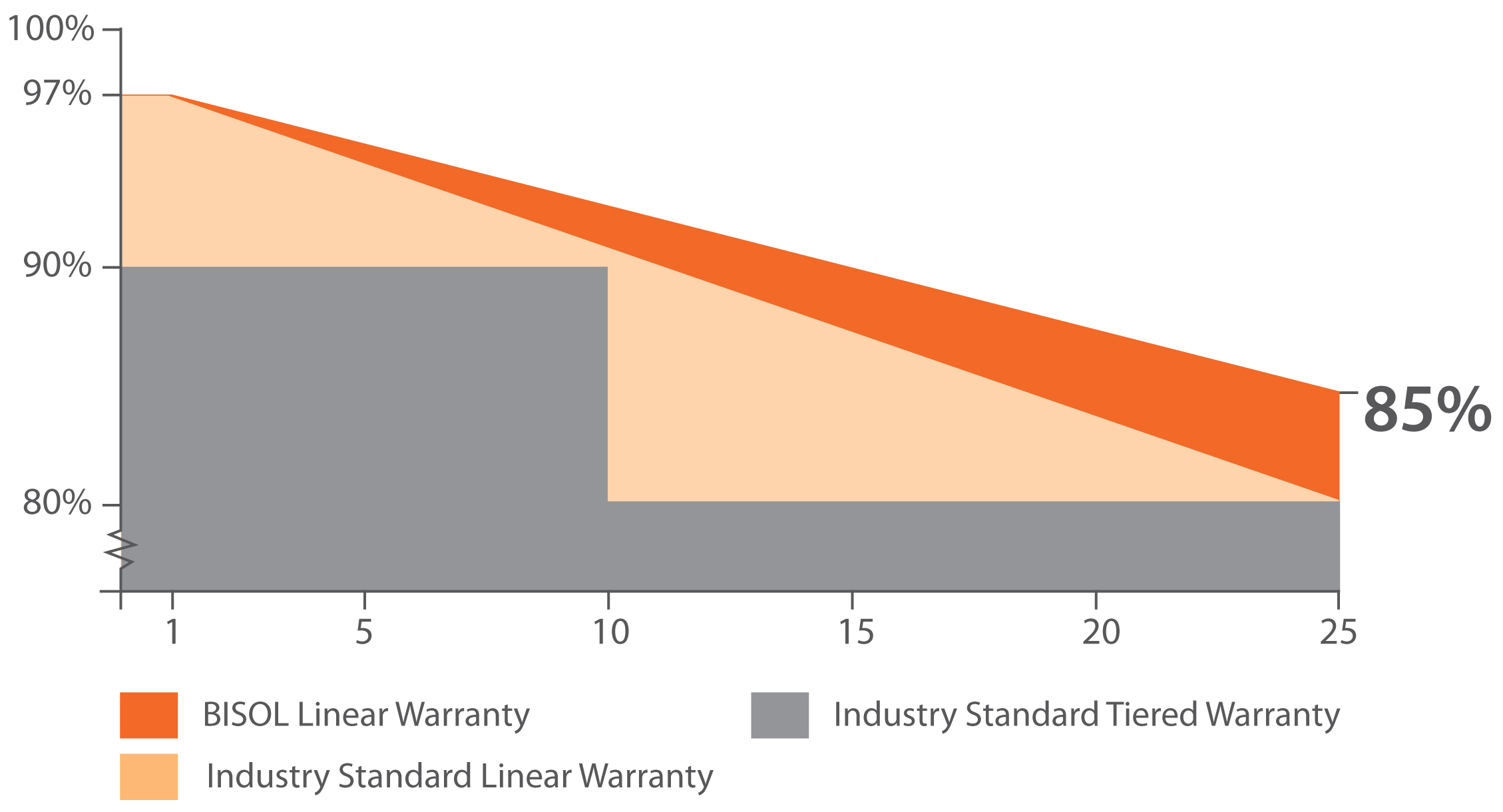
Производители солнечных батарей гарантируют работу солнечных модулей в течение 25 лет (для солнечных панелей с защитной пленкой) или даже 30 лет (для модулей с двойным стеклом), при этом снижение мощности не будет превышать 20% к концу этого срока.
Многие производители дают гарантию на свои модули на период от 10 до 25 лет. При этом они гарантируют, что мощность модулей через 10 лет снизится не более, чем на 10%. Гарантия на механические повреждения дается обычно на срок от 1 до 5 лет.
 Наиболее богатым опытом эксплуатации обладают кристаллические модули. Их начали устанавливать еще 50-х годах прошлого века, а массовое использование началось в конце 1970-х. Поэтому именно о долговечности таких модулей уже можно делать какие-то выводы.
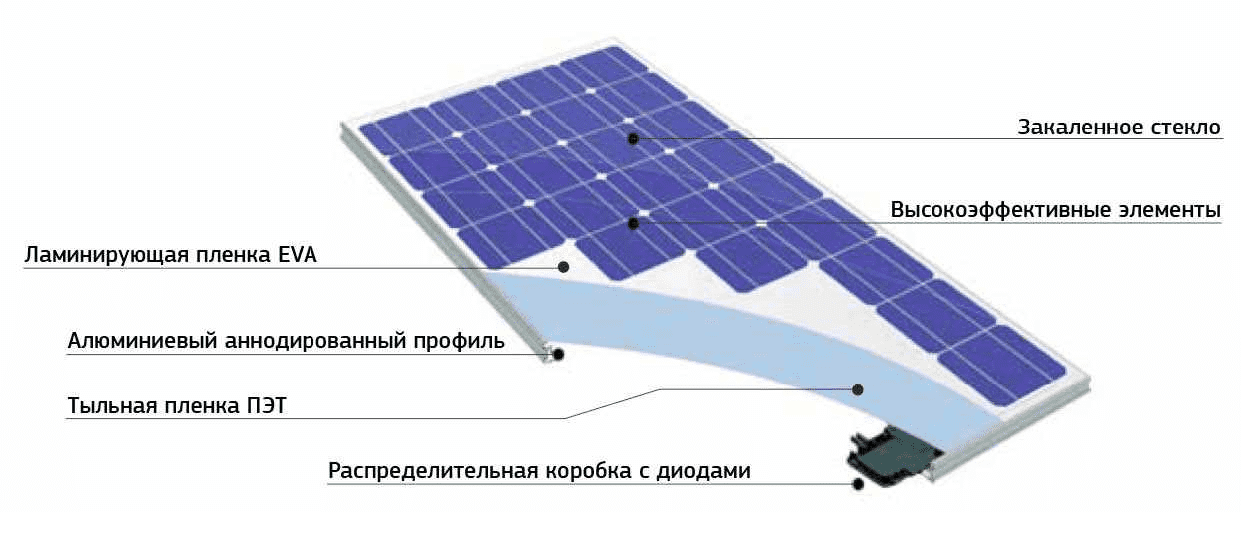
Расчетный срок службы кристаллических модулей обычно 30 лет. Производители делают ускоренные тесты по эксплуатации модуля для того, чтобы оценить его реальный срок службы. Сами солнечные элементы, используемые в солнечных модулях, имеют практически неограниченный срок службы и показывают отсутствие деградации по прошествии десятков лет эксплуатации. Однако, выработка модулей со временем падает. Это результат 2 основных факторов — постепенное разрушение пленки, используемой для герметизации модуля (обычно используется этиленвинилацетатная пленка — ethylene vinyl acetate; EVA) и разрушение задней поверхности модуля (обычно поливинилфосфатная пленка), а также постепенное замутнение прослойки из EVA пленки, расположенной между стеклом и солнечными элементами.
Герметик модуля защищает солнечные элементы и внутренние электрические соединения от воздействия влаги. Так как практически невозможно полностью защитить элементы от влаги, модули на самом деле «дышат», но это крайне трудно заметить. Ультрафиолет и перепады температур постепенно разрушает герметик, защищающий от влажности элементы и электрические соединения. Влага, попавшая внутрь, выводится наружу днем, когда температура модуля возрастает. Солнечный свет постепенно разрушает герметизирующие элементы за счет ультрафиолетового излучения, и они становятся менее эластичными и более податливыми на механические воздействия. Со временем, это приводит к ухудшению защиты модуля от влаги. Влага, попавшая внутрь модуля, ведет к коррозии электрических соединений, увеличению сопротивления в месте коррозии, перегреву и разрушению контакта или к уменьшению выходного напряжения модуля.
Второй фактор, уменьшающий выработку модуля — это постепенное уменьшение прозрачности пленки между стеклом и элементами. Это уменьшение не заметно невооруженным глазом, но ведет к снижению мощности модуля за счет того, что меньше света попадает на солнечные элементы.
Что будет с моими солнечными батареями после 25 лет эксплуатации?
Честно говоря, мы не знаем. До сих пор нет достаточных статистических данных по этому вопросу, т.к. фотоэнергетика — довольно молодая отрасль, и подавляющее большинство модулей, находящихся сейчас в эксплуатации. сделаны менее 20 лет назад. Однако, те данные, которые существуют, позволяют говорить о том, что солнечные батареи будут работать гораздо дольше обещанных производителями 25 лет:
- Солнечная панель 33W (Arco Solar 16-2000) на самом деле имеет лучшие показатели, чем обещаны в ее спецификациях через 30 лет работы.[2]
- Первая в мире солнечная панель продолжает работать уже 60 лет.[3]
- Kyocera отчиталась о солнечных установках, которые продолжают успешно и надёжно работать через 30 лет эксплуатации.
Максимальное ухудшение обычно гарантируется производителями на уровне не более 20% за 25 лет. Однако измерения, проведённые на реально работающих с 1980 годов модулей показывают, что их выработка уменьшилась не более, чем на 10%. Очень многие из этих модулей и до сих пор работают с заявленными при производстве параметрами (т.е. нет деградации). Поэтому можно смело говорить, что модули будут работать не менее 20 лет, и с высокой вероятностью обеспечат высокие показатели и через 30 лет с момента начала работы.
Современные технологии производства солнечных панелей существенно улучшены, и солнечные панели, которые продаются сейчас еще более надежны, стабильны и эффективны.
Все это означает, что если при расчётах окупаемости солнечных энергоустановок был принят срок службы солнечных панелей 20 лет, то далее они будут генерировать электрическую энергию бесплатно.
Мы уверены, что качественные солнечные панели будут работать генерировать электроэнергию и через 30 – 40 лет после установки.
Что можно сделать для увеличения срока службы солнечных панелей?
- Избегайте физических повреждений панели (т.е. падения деревьев, веток, срыва ветром, царапин на модуле). Чем больше царапин на поверхности модуля, тем меньше его эффективность. В самом плохом варианте влага и вода может попасть между стеклом и защитной пленкой и привести к короткому замыканию и/или коррозии контактов солнечных элементов.
- Регулярное обслуживание и чистка очень важны. См. Best Way to Clean Solar Panels.
- Чем тяжелее климатические условия, в которых работают солнечные панели, тем быстрее они будут деградировать. Поэтому, в некоторых случаях имеет смысл устанавливать ветрозаграждающие конструкции.
Какой срок службы имеют другие компоненты солнечной энергосистемы?
Другие компоненты системы имеют различные сроки службы: аккумуляторные батареи имеют срок службы от 2 до 15 лет (в среднем 4-10 лет), а силовая электроника — от 5 до 20 лет (в среднем 10-12 лет)
Эта статья прочитана 56750 раз(а)!
Продолжить чтение
- 10000
 Есть ли вторая жизнь у солнечных панелей? В последние годы наблюдается активное развитие солнечной энергетики во всем мире. Этот тренд сопровождается реальным желанием использовать природные возобновляемые источники энергии с выгодой для населения стран, но без нанесения урона для окружающей среды. В…
 - 66Что такое солнечные элементы, модули, инверторы, контроллеры, электростанции? Солнечная энергетика становится мейнстримом современной энергетики, и с каждым годом вызывает все больший интерес. Фотоэлектрическая энергетика - новая отрасль, которая стремительно развивается и уже сейчас современный мир невозможно представить без солнечных фотоэлектрических…
- 65Почему нужно устанавливать солнечные батареи? За последние года стоимость солнечных фотоэлектрических панелей уменьшилась в несколько раз. Снижается также стоимость комплектующих для солнечной энергосистемы. Низкая стоимость солнечных батарей, а также увеличивающаяся стоимость на энергоносители (в т.ч. и на электроэнергию от сети)…
- 64Китайские солнечные модули - как не ошибиться при покупке? В последнее время на рынке появилось много предложений по китайским солнечным модулям. Действительно, в Китае сейчас производится бОльшая часть всех производимых в мире солнечных модулей. Есть среди них и качественные, отвечающие…
- 64Как правильно выбирать солнечные элементы и модули Вы собрались купить солнечную батарею? В первую очередь, нужно обратить внимание на технические параметры солнечного модуля. Основные из них перечислены ниже. Также, нужно проверить качество изготовления и отсутствие визуальных дефектов на солнечных элементах,…
- 63Покупать и устанавливать солнечные батареи зимой дешевле, чем летом Все больше домовладельцев открывают для себя преимущества установки солнечных батарей для полного или частичного электроснабжения в загородном доме. Но вот что многие еще не до конца понимают это то, что зима…
правда ли что тонкопленочные батареи вырабатывают на 10% и больше електричества в год чем кремнивые
Все зависит от погодных условий. Если погода в основном пасмурная, то тонкопленочные батареи могут выработать больше, чем кристаллические. Больше этот эффект проявляется у CIGs солнечных модулей. Если погода в основном солнечная и много ясных солнечных дней, то разницы особой не будет. Учтите также, что в пасмурную погоду любые солнечные батареи вырабатывают гораздо меньше энергии, чем в ясную, поэтому 10% от этой уменьшенной выработки — это не так уж и много.
Как утилизируют солнечные батареи? Можно ли после 25 лет их использования просто поменять пленки, чтобы повысить производительность батарей и использовать их дальше?
гуглить пробовали? https://renen.ru/pv-recycling-problems-regulation-practice/
по вашему запросу написали новую статью про утилизацию солнечных панелей https://www.solarhome.ru/basics/solar/pv/pv-recycling.htm