Инверторы для фотоэлектрических систем
Инверторы используются для преобразования постоянного тока от аккумуляторов или солнечных модулей в переменный ток, аналогичный тому, который присутствует в сетях централизованного электроснабжения. В системах электроснабжения с солнечными батареями применяются следующие типы инверторов:
Сетевые фотоэлектрические инверторы
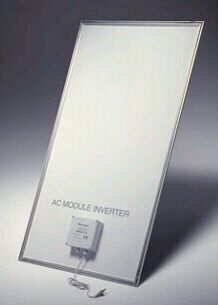
В соединенных с сетью системах инверторы принимают энергию от солнечных модулей и преобразуют ее в переменный ток, которые подается в сеть. Такие инверторы называются сетевыми фотоэлектрическими инверторами. Сетевые инверторы бывают следующих основных типов:
- String инверторы предназначены для работы с несколькими модулями в одной или нескольких цепочках. Это наиболее распространенный тип сетевых инверторов. Однофазные выпускаются на мощность от 1 до 5 кВт, трехфазные — от 5 до 40-70 кВт.
- Микроинверторы работают только с 1 модулем, или с несколькими, но для каждого модуля свой отдельный вход. Есть фотоэлектрические модули с интегрированными инверторами — так называемые AC модули с микроинверторами. Преимуществом микроинверторов является простая настройка и возможность легкого масштабирования вашей фотоэлектрической системы путем простого добавления таких модулей. Такие инверторы используются только в соединенных с сетью системах. Диапазон мощностей микроинверторов — от 100 до 700 Вт.
- Центральные сетевые инверторы работают от большой группы солнечных модулей, собранных в солнечные батареи и поля. Этот тип сетевых инверторов применяется обычно на соединенных с сетью коммерческих фотоэлектрических электростанциях. Их мощности — от нескольких десятков киловатт до нескольких мегаватт.

Сетевые фотоэлектрические инверторы при своей работе синхронизируются с основным источником энергии, обычно с сетью, в которую они подают вырабатываемую солнечными батареями энергию. Сеть обеспечивает им опорное напряжение. Без этого напряжения сетевые инверторы не могут работать, более того — они обязаны отключаться, чтобы исключить риск поражения электрическим током при работах на линиях электропередач.
Для наращивания мощности сетевые инверторы могут соединяться параллельно на стороне переменного тока без ограничений. В нашем ассортименте есть ряд моделей фотоэлектрических сетевых инверторов, их параметры приведены на страницах с описанием товаров.
Подробно про сетевые инверторы для солнечных батарей описано в нашей новой статье «Сетевой инвертор — это просто!»
Батарейные инверторы
В автономных системах для питания стандартных бытовых устройств и приборов нужно преобразовать постоянный ток от аккумуляторов и солнечных батарей в переменный ток напряжением 220В. В резервных системах стоит та же задача — преобразовать постоянный ток от АБ в переменный для питания обычных приборов. Эту задачу решают батарейные инверторы.
Солнечные батареи вырабатывают постоянный ток, и аккумуляторы хранят энергию в виде постоянного тока. Но большинство приборов и потребителей энергии требуют переменный ток напряжением 220 или 380В. Инвертор преобразует низкое напряжение 12, 24, 32, 36, 48, 96, 120В постоянного тока в высокое напряжение 220В переменного тока. Часть энергии неизбежно теряется при преобразовании — от 5 до 20% в зависимости от качества инвертора и режима его работы.
Есть много различных инверторов, отличающихся по мощности и по типу. Некоторые инверторы имеют очень высокую эффективность, что всегда полезно. Если ваш инвертор будет часто находится без нагрузки, выберите такой инвертор, который имеет низкое потребление в ждущем режиме. Если ваш инвертор будет большую часть времени питать нагрузку, выбирайте инвертор с максимальным КПД.
Также следует учитывать, что провода, приборы и т.п на переменный ток наиболее распространены, выпускаются серийно в больших количествах и поэтому обычно дешевле, чем аналогичные для постоянного тока. Следовательно, инверторы находят применение во многих системах электроснабжения.
Инверторы бывают различной мощности. Их тип выбирается в зависимости от применения. Маломощные инверторы (100-1000 Вт) обычно применяются в малых автономных системах для питания, например, лампочек, телевизора, радио и т.п. Они обычно бывают на входное напряжение 12 или 24В и выходное 220В. Более мощные инверторы имеют входное напряжение 24 или 48В (а иногда и 96 и выше вольт) . Для обеспечения пусковых токов двигателей нужно выбирать инверторы которые обеспечивают многократную кратковременную перегрузку.
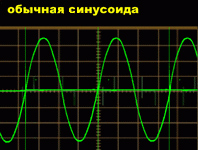
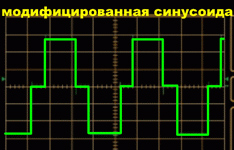
Дешевые инверторы генерируют ступенчатую или прямоугольную форму напряжения — так называемую квазисинусоидальную форму, или модифицированную синусоиду. Такая форма напряжения не всегда подходит к приборам. Ваш дилер может помочь вам с выбором правильного инвертора, чтобы в дальнейшем у вас не было проблем с питанием вашей нагрузки. Инверторы с синусоидальной формой напряжения обеспечивают качество энергии такое же, как в сети, и могут питать без проблем любую нагрузку переменного тока.
Функции инверторов
Многие современные инверторы также обладают следующими функциями:
- Измерения: на дисплее отображается напряжения и токи, частота и мощности.
- Возможность автозапуска генератора: В инверторе имеются дополнительные реле для автоматического запуска и останова резервного генератора в зависимости от напряжения на батарее. Часто эта функция реализована в виде опции как отдельный блок к инвертору. Продвинутые инверторы могут заряжать аккумуляторы от сети только в определенное время, или запускать генератор только в дневное время (чтобы не шуметь ночью).
- Работа параллельно с сетью Сетевые инверторы напрямую поставляют энергию от солнечных батарей в сеть, без необходимости иметь аккумуляторы. Это существенно уменьшает стоимость системы, а также позволяет уменьшить счета за электроэнергию.
- Встроенное зарядное устройство : Такие инверторы могут использовать энергию от сети или генератора для заряда АБ. Одновременно они могут транслировать энергию от этих источников в нагрузку напрямую в нагрузку. Продвинутые инверторы могут задавать или динамически менять зарядный ток для избежания перегрузки генератора. Также, они имеют многостадийные зарядные устройства, которые обеспечивают безопасный полный заряд АБ, требуемый для увеличения срока их службы.
- Параллельное соединение: Некоторые инверторы могут быть соединены параллельно для увеличения мощности.
Эта статья прочитана 10507 раз(а)!
Продолжить чтение
- 60
 Оценка энергии солнечного излучения Интенсивность солнечного света, которая достигает земли меняется в зависимости от времени суток, года, местоположения и погодных условий. Общее количество энергии, подсчитанное за день или за год, называется иррадиацией (или еще по-другому "приход солнечной радиации") и показывает,…
 - 53
 Классификация солнечных фотоэлектрических электростанций - Автономные, соединенные с сетью, резервные. Солнечные батареи в системах электроснабжения.
Доброго дня. Собираемся ставить панели дома, и не можем определится с выбором, почитала тут про Huawei да и знакомые советуют, но как то не очень доверяем этой фирме, телефоны ихние постоянно ломались(понимаю, возможно не совсем корректное сравнение но все же). Так ли они хороши в этой нише? Буду благодарна за любой ответ.
А где вы «тут» про Huawei прочитали? У нас нет этого оборудования, и для ниши бытовых сетевых инверторов у них пока нет моделей. Если вам нужны сетевые инверторы для солнечных батарей, они у нас есть. См. здесь