Влияние облачности и тени на выработку энергии солнечными панелями

1.прямая 2.поглощение
3.отражение 4.непрямая
Солнечный свет проходит свой путь от Солнца до Земли по прямой линии. Когда он достигает атмосферы, часть свет а преломляется, а часть достигает земли по прямой линии. Другая часть света поглощается атмосферой. Преломлённый свет — это то, что обычно называется диффузной радиацией, или рассеянным светом. Та часть солнечного света, которая достигает поверхности земли без рассеяния или поглощения — это прямая радиация. Прямая радиация — наиболее интенсивная.
Солнечные модули производят электричество даже когда нет прямого солнечного света. Поэтому, даже при облачной погоде фотоэлектрическая система будет производить электричество. Однако, наилучшие условия для генерации электроэнергии будут при ярком солнце и при ориентации панелей перпендикулярно солнечному свету. Для местностей северного полушария панели должны быть ориентированы на юг, для стран южного полушария — на север.
Влияние различных световых условий на выработку фотоэлектрических модулей (в % от полной мощности)
| Условие | % от «полного» солнца |
| Яркое солнце — панели расположены перпендикулярно солнечным лучам | 100% |
| Легкая облачность | 60-80% |
| Пасмурная погода | 20-30% |
| За оконным стеклом, один слой, стекло и модуль перпендикулярны солнечным лучам | 91% |
| За оконным стеклом, 2 слоя, стекло и модуль перпендикулярны солнечным лучам | 84% |
| За оконным стеклом, один слой, стекло и модуль под углом 45° солнечным лучам | 64% |
| Искусственный свет в офисе, на поверхности письменного стола | 0.4% |
| Искусственный свет внутри яркого помещения (например, магазин) | 1.3% |
| Искусственный свет внутри жилого помещения | 0.2% |
Солнечные батареи в пасмурную погоду работают далеко не так хорошо, как в солнечную. Вырабатываемое солнечным элементом напряжение зависит от падающего на него светового потока, а именно: напряжение с ростом освещенности возрастает лишь до определенного предела, а дальше уже не растет. Для кремниевого элемента это напряжение составляет 0,6 В, и для повышения напряжения солнечной батареи (панели) элементы соединяют последовательно. Так, для заряда автомобильного аккумулятора номинальным напряжением 12 В необходима батарея из соединенных последовательно 36 элементов с общим напряжением холостого хода 36 х 0,6 = 21,6 (В).
Зачем солнечной батарее нужен запас по напряжению? Запас по напряжению обеспечивает заряд аккумулятора при падении светового потока в пасмурную погоду или заходе солнца за облака и вследствие наличия у солнечного элемента внутреннего сопротивления, снижающего напряжение на выходе при подключении нагрузки, а также для обеспечения зарядки аккумулятора до требуемых 14,4 В. Кроме того, элемент выдает максимальную мощность при нагрузке, обеспечивающей просадку напряжения до 0,47-0,5 В, и при оптимальной нагрузке батарея из 36 элементов выдает напряжение 17-18 В.
Следует учитывать также, что солнечные элементы имеют нижний предел чувствительности по освещению, ниже которого он вообще перестает вырабатывать энергию. Для кремниевых кристаллических солнечных модулей этот предел — примерно 150-200 Вт/м2. Для тонкопленочных модулей он немного ниже — в пределах 100-200 Вт/м2. Поэтому считается, что тонкопленочные солнечные панели работают в пасмурную погоду лучше, чем кристаллические.
Эффект такой действительно наблюдается. Но при принятии решения о выборе типа солнечной батареи для вашего дома нужно понимать, что энергии солнечных лучей в пасмурную погоду очень мало. Номинальную мощность солнечные батареи вырабатывают при освещенности 1000Вт/м2 и температуре панелей 25С. Более того, КПД солнечных элементов при низкой освещенности падает (см. ВАХ солнечного элемента при различной освещенности). Поэтому разница пороговой освещённости в 50-100 Вт/м2 мало повлияет на общую выработку электроэнергии солнечной батареи.
Какие есть источники затенения?
Тень могут создавать различные источники:
1. Деревья: Они могут отбрасывать тень на солнечные панели. Многие жилые дома расположены в зеленых зонах и, соответственно, деревья могут создавать тень для солнечной электростанции.
2. Другие панели: кроме деревьев, отбрасывать тень на солнечные панели могут другие близлежащие панели. В зависимости от установки, соседние панели могут отбрасывать тень на нижние элементы в той же системе. Эта проблема возникает обычно в солнечных электростанциях наземного расположения.
3. Ваша крыша: панели могут быть в тени той же крыши, на которой находятся. В зависимости от положения солнца и времени суток, различные части крыши, такие как дымоход, например, могут блокировать попадание прямых солнечных лучей на часть панелей.
4. Облака: невозможно говорить о затенении, не упомянув об облаках. Несмотря на то, что они закрывают солнце и фактически создают затенение, не стоит волноваться о работе солнечной электростанции в пасмурные дни. На самом деле, облака пропускают некоторую часть солнечного света, поэтому панели работают и в такую погоду, хотя с определенным снижением эффективности.
Тень и эффективность солнечных батарей
Затененные солнечные панели производят меньше электроэнергии, чем панели под прямыми солнечными лучами. Влияние менее мощного солнечного излучения — очевидный фактор снижения эффективности панелей.
Если крыша затенена большую часть дня, и убрать источники затенения (срезать деревья) нет возможности, тогда солнечная электростанция не будет максимально эффективной. Но если полутень падает на крышу только в определенные часы светового дня, существует несколько решений солнечных инверторов, которые помогут минимизировать влияние этой тени и максимизировать производительность солнечной электростанции.
Какие солнечные модули работают лучше при пониженной освещенности и рассеянном свете?
В спецификациях на солнечные модули указаны параметры при STC (стандартных тестовых условиях). Реальные условия эксплуатации могут значительно отличаться от STC. Обычно солнечные батареи в России работают при освещенности ниже, чем 1000 Вт/м² и погода бывает облачная или даже пасмурная. Солнечные модули разных типов и даже одного типа, но разных производителей работают по-разному в реальных условиях эксплуатации.
Поэтому возникает вопрос — какие солнечные модули лучше купить, чтобы они работали наиболее эффективно при облачной погоде и рассеянном свете? Основным параметром, который нам важен при оценке эффективности солнечных батарей, является количество вырабатываемой энергии за промежуток времени (сутки, неделю, месяц, год). Какие же модули вырабатывают больше энергии при малой освещенности? Рассмотрим основные типы модулей — монокристаллические, поликристаллические, тонкопленочные аморфные кремниевые, монокристаллические PERC модули — это основные модули, представленные сейчас на российском рынке.
Для стандартных модуле точно сказать, какой модуль — монокристаллический или поликристаллический — будет больше вырабатывать в облачную погоду нельзя. Тут все зависит от качества производителя. Только брендовые модули будут гарантировать максимальную выработку при различных условиях работы. Обязательно смотрите, присутствует ли производитель или бренд в списке модулей, которые прошли тестирование независимой лаборатории на параметра PCT
Дешевые модули делаются со стеклом без антибликового покрытия (один из популярных в России поставщиков продает именно такие модули). Они выдают заявленные параметры при тестировании на заводе, когда модули облучаются под прямым углом к плоскости. Но как только угол падения солнечных лучей становится не перпендикулярным поверхности элемента, значительная часть солнечного света отражается некачественным стеклом. Также, очень плохо такие модули работают и на рассеянном свете. В итоге выработка энергии таким модулем может быть меньше раза в 2 по сравнению с выработкой энергии модулем такой же номинальной мощности, но сделанным известным брендом и производителем, отвечающим за свое качество.
Поэтому повторим наш настоятельный совет, которые мы даем в нашем Руководстве покупателя солнечных батарей — не покупайте солнечные модули под брендом российского импортера! Вы сэкономите на покупке, но потеряете в выработке энергии (а это главный показатель качества солнечный батарей). В итоге стоимость электроэнергии от вашей солнечной батареи будет дороже, чем если бы вы купили качественную солнечную панель известного производителя.
Солнечные батареи за стеклом
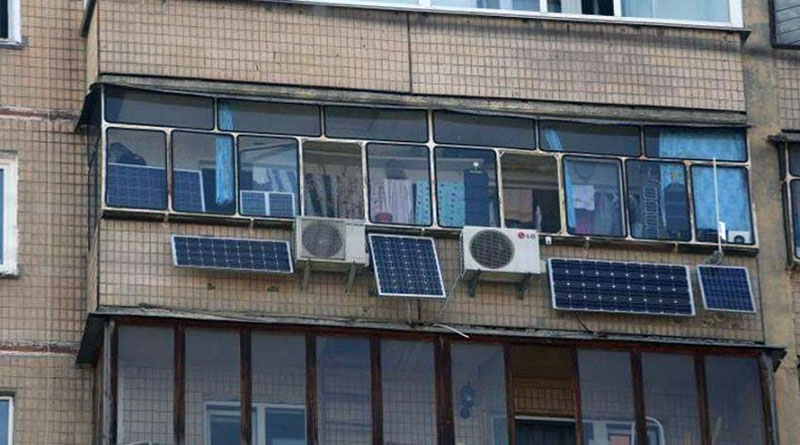 Часто нас спрашивают, насколько снизится выработка солнечных батарей, если их установить за стеклом — внутри балкона, веранды и т.п. Многие дачники боятся, что установленную снаружи солнечную батарею украдут. Некоторые пытаются сделать установку солнечных батарей неприметной.
В солнечных панелях применяется специальное стекло с повышенной прозрачностью, которая достигается пониженным содержанием железа в стекле, но даже оно снижает мощность солнечной панели на несколько процентов. Как видно из таблицы выше, оконное стекло в один слой снижает выработку солнечной панели на 9%, а двойное стекло — на 16%. Это при условии, что эти стекла — идеально чистые и солнечные лучи падают на них перпендикулярно. В реальности же стекла бывают пыльными или даже грязными, что дополнительно снижает их прозрачность. При падении солнечных лучей под углом, отличным от 90 градусов, на передней и задней поверхности каждого стекла возникают переотражения, которые также отводят солнечные лучи от солнечного элемента. Поэтому мы не рекомендуем устанавливать солнечные батареи за оконными стеклами.

Эта статья прочитана 31337 раз(а)!
Продолжить чтение
- 73Как правильно установить солнечные батареи? Солнечные панели наиболее эффективно работают, когда они направлены на солнце и их поверхность перпендикулярна солнечным лучам. Как определить такое положение солнечных батарей, при котором они будут вырабатывать максимальное количество энергии за день? Какая ориентация солнечных…
- 58Как подготовить к зиме солнечные батареи и коллекторы? Солнечные батареи могут быть великолепной частью вашего дома. Они определённо позволяют экономить вам деньги в течение длительного срока и постоянно могут снижать ваши счета за электроэнергию. Мы все знаем, что солнечные батареи…
- 56Видеосюжеты и интервью по телевидению про солнечную и возобновляемую энергетику C 2021 года подключать солнечные батареи к электросетям могут и частные лица Уже можно подключаться вполне официально к сетям и не платить за отданную в сеть электроэнергию. Реальный опыт использования…
- 55Как определить оптимальное расстояние между рядами солнечных панелей? При расположении солнечных панелей рядами они могут затенять друг друга. Какое расстояние между рядами будет оптимальным? Для разных углов наклона солнечных батарей минимальное расстояние между рядами будет разным. Чем больше угол наклона…
- 51Что такое солнечные элементы, модули, инверторы, контроллеры, электростанции? Солнечная энергетика становится мейнстримом современной энергетики, и с каждым годом вызывает все больший интерес. Фотоэлектрическая энергетика - новая отрасль, которая стремительно развивается и уже сейчас современный мир невозможно представить без солнечных фотоэлектрических…
- 51Почему нужно устанавливать солнечные батареи? За последние года стоимость солнечных фотоэлектрических панелей уменьшилась в несколько раз. Снижается также стоимость комплектующих для солнечной энергосистемы. Низкая стоимость солнечных батарей, а также увеличивающаяся стоимость на энергоносители (в т.ч. и на электроэнергию от сети)…