Эффективное использование сетевых солнечных инверторов
- 1 Что такое сетевой инвертор?
- 2 Что такое солнечная батарея?
- 3 Превышение мощности солнечных батарей
- 4 Какую мощность реально генерируют солнечные панели?
- 5 Почему мощность солнечной батареи рекомендуется ставить больше мощности инвертора?
- 6 Безопасно ли увеличивать размеры солнечных батарей для сетевых инверторов?
- 7 Влияние перегрузки на производительность инвертора
- 8 Как нужно располагать солнечные панели, если их мощность существенно превышает мощность инвертора?
- 9 Выводы: какие преимущества от превышения мощности солнечной батареи?
Если вы искали солнечные инверторы, вы, вероятно, сталкивались с концепцией превышения мощности солнечных батарей над мощностью инвертора. К любым сетевым инверторам можно подключить больше солнечных батарей, чем номинальная мощность инвертора. Зачем же подключать большее количества солнечных панелей, чем рассчитан ваш инвертор?
Это кажется нелогичным, ведь ваши солнечные панели и инверторы должны совпадать по мощности, не так ли? Но реальность немного сложнее. При установке солнечных панелей необходимо учитывать множество различных факторов, и мы считаем, что именно этот фактор часто упускают из виду.

Что такое сетевой инвертор?
Инвертор — это сердце вашей солнечной установки. Это центральный компонент, благодаря которому все это работает! Инвертор — это часть вашей системы, которая преобразует энергию постоянного тока, создаваемую вашими солнечными панелями, в переменный ток, который питает ваш дом или объект. Без инвертора невозможно использовать энергию, вырабатываемую солнечными панелями!
На рынке представлен большой выбор солнечных сетевых инверторов, но их можно разделить на 3 основных группы. Это стринг-инверторы, микроинверторы, и стринг-инверторы с оптимайзерами.
Что такое солнечная батарея?
Проще говоря, солнечная батарея (или фотоэлектрическая батарея) — это термин, используемый для описания группы солнечных панелей. Сколько солнечных панелей вам понадобится – и, следовательно, размер вашей батареи – будет зависеть от потребностей вашего дома или предприятия в солнечной энергии.
Помимо того, как вы используете энергию, вырабатываемую солнечными панелями, также учитывается, сколько солнечной энергии вы получаете в течение дня и как это влияет на среднюю эффективность солнечных панелей.
Превышение мощности солнечных батарей
Как мы уже упоминали выше, можно устанавливать солнечную батарею с более высокой мощностью, чем номинальная мощность вашего инвертора. По сути, вы устанавливаете больше солнечных панелей, чем рассчитан ваш солнечный инвертор.
Например, предположим, что у вас есть инвертор мощностью 5 кВт. Это наиболее распространенный размер в России, поскольку большинство домохозяйств присоединено к сети по 3 фазам по 5 кВт на фазу, и в рамках микрогенерации есть ограничение по отдаче максимум 15 кВт в сеть. Это означает, что в любой период времени ваша солнечная система не может экспортировать в сеть более 5 кВт энергии на фазу. Экспорт избыточной энергии в сеть — это то, что происходит, когда вы не потребляете энергию самостоятельно.
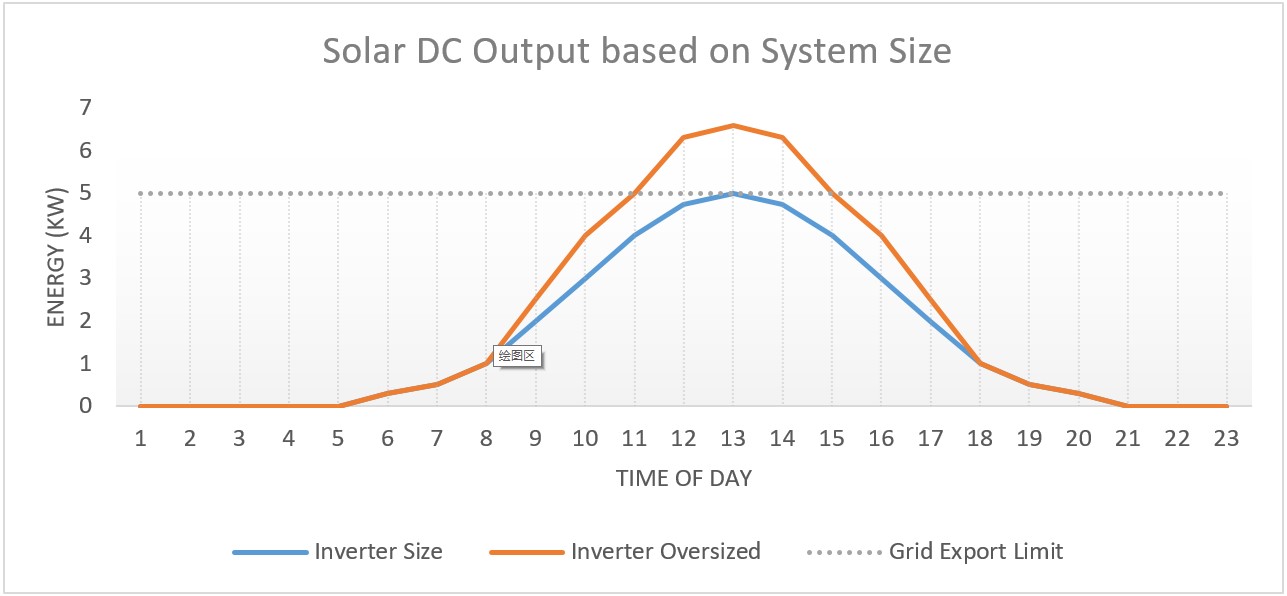
Теоретически имело бы смысл соединить инвертор мощностью 5 кВт с панелями мощностью 5 кВт — и многие люди так и делают. Но когда вы выбираете концепцию превышения мощности солнечных батарей, вместо этого вы устанавливаете панели мощностью более 5 кВт.
На первый взгляд это кажется немного странным. Зачем «тратить» всю эту дополнительную энергию, если вы не можете использовать ее или поставить в сеть, верно? Что ж, мы расскажем вам, почему это на самом деле хорошая идея!
Какую мощность реально генерируют солнечные панели?
Вот правда о солнечных панелях: отдельные солнечные панели почти никогда не производят именно то количество энергии, на которое они рассчитаны. Таким образом, панель мощностью 330 Вт редко будет производить ровно 330 Вт. Так почему же указывается мощность солнечной панели, которую достичь практически невозможно?
Это потому что мощность солнечной панели оценивается в стандартных условиях испытаний (STC), которые, как правило, являются абсолютно идеальными условиями. Условия, которые, к сожалению, редко встречаются в реальных условиях! Когда дело доходит до реальной жизни, насколько эффективными могут быть солнечные панели? А в реальности они нагреваются до 40-50 градусов, а мощность солнечного излучения бывает не 1000, а 750-850 Вт/м2, плюс еще панели могут быть загрязнены пылью, и еще несколько процентов энергии потеряется в проводах до инвертора. В итоге, до инвертора доходит не полная мощность STC солнечной батареи, а на 20-30% меньше. Гораздо ближе к реальной мощности солнечных панелей их мощность при NOCT, и именно на эти цифры можно ориентироваться при оверсайзинге солнечной батареи.
На графике ниже показан пример выработки энергии для солнечной батареи и инвертора соответствующей мощности. Вы можете видеть, что эти 5 кВт панелей никогда не достигают максимальной мощности инвертора в 5 кВт, даже в наиболее эффективную точку в полдень. Выработка солнечной батареи номинальной мощностью 5 кВт может быть 5 и более киловатт только в морозную ясную солнечную погоду — согласитесь, такое в нашем климате бывает редко и недолго.
Почему мощность солнечной батареи рекомендуется ставить больше мощности инвертора?
Вот малоизвестный секрет: ваш инвертор на самом деле может генерировать гораздо больше энергии, чем вы думаете. Таким образом, чтобы получить больше энергии и в начале дня, и в целом за день, ваша солнечная батарея должна иметь гораздо большую мощность, чем номинальная AC мощность инвертора.
На примере инвертора мощностью 5 кВт, это означает, что вместо того, чтобы соединить его с солнечными панелями мощностью 5 кВт, вы можете увеличить мощность солнечной батареи до, например, 6,6 кВт (максимально возможная мощность солнечной батареи указывается в спецификациях к инвертору, и обычно она больше номинально на 15-45%).
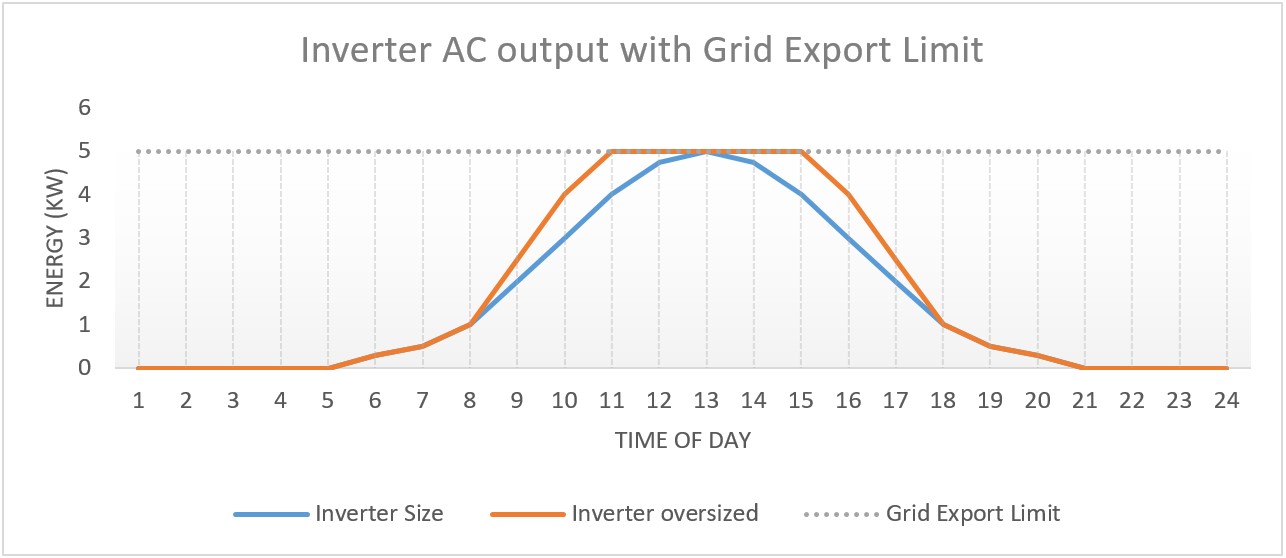
На графике ниже показана генерация энергии системой мощностью 6,6 кВт. Как вы можете видеть, инвертор достигает максимальной мощности в начале дня и продолжает вырабатывать столько же энергии до полудня. Фактически, некоторые тесты показали увеличение суточной выработки электроэнергии до 28% при использовании инвертора увеличенной мощности .
Безопасно ли увеличивать размеры солнечных батарей для сетевых инверторов?
Практически каждый инвертор на рынке предназначен для безопасного подключения солнечной батареи мощностью на 1/3 больше, чем номинальная мощность инвертора по переменному току. Если солнечная система спроектирована и установлена надежной компанией, не должно возникнуть проблем с безопасностью при превышении номинала вашего инвертора.
Но все же есть общие правила обеспечения безопасности солнечных инверторов.
1) необходимо обеспечить надежное и достаточное охлаждение инвертора. Имейте ввиду, что перегрев инвертора ведет к сокращению срока его службы. Солнечные модули и инверторы должны хорошо вентилироваться. Инвертор нужно устанавливать в тени, защищать от прямых солнечных лучей и воздействия осадков, пыли, брызг воды.
При установке также можно использовать металлические основания и рамы как дополнительный радиатор охлаждения для рассеивания избыточного тепла.
2. Если инвертор при работе нагревается, то его мощность снижается. Это также нужно учитывать при проектировании солнечной электростанции. Кроме снижения мощности инвертора, он также может стать источником опасности ожогов для людей и животных.
Инверторы оснащены внутренней защитой от перегрузки для предотвращения сбоев. Если инвертор перегружен, он перестанет работать, а когда избыточная нагрузка будет снята, инвертор снова запустится автоматически или вручную. Потребляемая мощность нагрузки достигает или превышает пиковую мощность инвертора при его перегрузке.
Перегрузка может иметь как положительные, так и отрицательные последствия для солнечной системы. Перегрузка может привести к более высокому приросту энергии в менее идеальных погодных условиях, но также может привести к ограничению мощности в идеальных погодных условиях.
Все солнечные инверторы известных производителей допускают перегрузку по постоянному току в диапазоне от +25% до +50%. Степень перегрузки постоянного тока представляет собой баланс между возможным ограничением мощности, которое может произойти в случае идеальных погодных условий, и выигрышем в энергии, который может быть достигнут за счет перегрузки в менее идеальных условиях.
Влияние перегрузки на производительность инвертора
Перегрузка солнечного инвертора может существенно повлиять на его производительность. Когда размер массива постоянного тока превышает номинал инвертора по переменному току, он считается перегруженным. Инвертор может продолжать работать, но его эффективность будет снижена, и он может выделять избыточное тепло, что приведет к преждевременному выходу из строя.
Перегрузка инвертора также может привести к тому, что он будет работать за пределами оптимального диапазона эффективности, что приведет к снижению выходной энергии. КПД большинства инверторов относительно низок, когда они недогружены. Однако перегрузка также может привести к тому, что инвертор будет работать в лучшей области кривой эффективности, в зависимости от климатических условий в регионе, где расположена солнечная установка.
Когда инвертор перегружен, он может выделять избыточное тепло, что может привести к повреждению внутренних компонентов. Большинство современных инверторов имеют внутреннюю защиту от перегрузки, которая отключит инвертор, если потребляемая его температура превысит допустимую.
При избыточной мощности от солнечных батарей инвертор снижает входную мощность за счет увеличения постоянного напряжения и уменьшения постоянного тока или регулирования выходного переменного тока инвертора. Убедитесь, что инвертор может справиться с увеличенной выходной мощностью фотоэлектрической батареи. Во время ограничения мощности инвертор контролирует входную мощность солнечной батареи, сдвигая ее рабочую точку в точку с более высоким напряжением и меньшим током вдоль кривой тока-напряжения (ВАХ) массива, тем самым отклоняясь от точки максимальной мощности.
Как нужно располагать солнечные панели, если их мощность существенно превышает мощность инвертора?
Несмотря на то, что теоретически солнечная батарея, направленная строго на юг под оптимальным углом к горизонту, может генерировать больше электроэнергии, чем солнечная батарея, направленная в любую другую сторону, есть условия, при которых это правило не работает. Так, если вы проектируете системы с превышением мощности солнечной батареи над мощностью инвертора, то больше энергии в течение дня выработает системы с солнечными панелями, расположенными на восток и запад. Распределение мощности между восточной и западной частями солнечной батареи может быть равномерным, или с перекосом на восток, если потребление утром больше, чем вечером, и на запад, если наоборот.
Такое расположение также позволяет более эффективно использовать площадь крыши или земли, и расположить больше солнечный панелей, потому что между восточными и западными рядами не нужно предусматривать расстояние, как при расположении солнечных панелей рядами друг за другом с ориентацией в одном направлении (на юг).
При этом расстояние между рядами должно быть тем больше, чем севернее расположена широта вашей местности.
Несмотря на то, что выработка солнечных батарей, направленных на восток и запад, будет меньше, чем выработка солнечной батареи такой же мощности, но направленной на юг, в течение дня можно получить больше энергии на единицу мощности солнечного инвертора. Это будет за счет того, что общая установленная мощность солнечных панелей может быть больше, а энергия о солнечных батарей будет потребляться эффективнее.
Мощность солнечных панелей можно увеличить на 20-40%, при этом годовая выработка энергии может повыситься на 10-30%.
Однако нужно учитывать, что в северных широтах солнечные модули, расположенные на восток и запад, не будут генерировать энергию в зимнее время. Азимут солнца в северных широтах такой, что солнечный свет не попадает на поверхности, направленные на восток и запад. Поэтому в наших широтах лучше разбить солнечную батарею не на 2, а на 3 части, и направить их на восток, юг и запад. Также, желательно подключать восточную и западную части солнечной батареи к разным MPPT трекерам, чтобы отслеживать отдельно точку максимальной мощности разных частей солнечной батареи. Сейчас многие инверторы мощностью 3 и более кВт имеют по 2 или даже 3 MPPT трекера. см. наш Интернет-магазин для выбора сетевых инверторов с несколькими трекерами.
Выводы: какие преимущества от превышения мощности солнечной батареи?
- Увеличение выработки энергии. Интенсивность солнечного света колеблется в зависимости от погодных условий. За счет увеличения мощности солнечной батареи система может генерировать больше энергии в периоды, когда солнечный свет не максимальный.
- Улучшенная производительность в условиях низкой освещенности. Солнечные панели работают менее эффективно в условиях низкой освещенности, например, в пасмурные или облачные дни. Превышение мощности солнечной батареи над мощностью инвертора помогает компенсировать эту неэффективность, позволяя системе работать в неоптимальных условиях освещения.
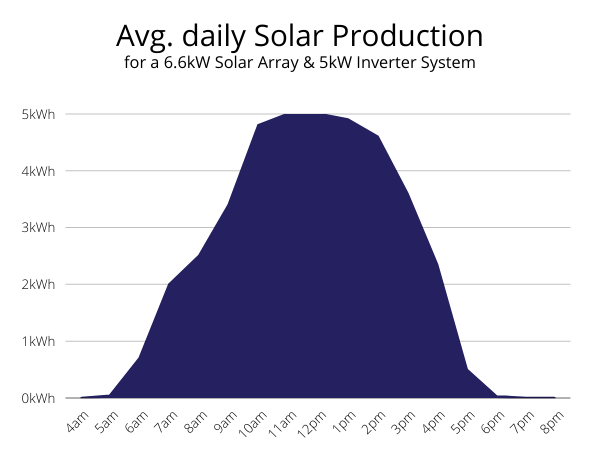
- Максимальная выработка солнечной энергии в дневное время. Увеличение мощности солнечной батареи при сохранении мощности инвертора позволяет ему производить пиковую энергию в течение более длительного времени в полдень, что приводит к увеличению ежедневной выработки солнечной электроэнергии. На рисунке 3 приведено сравнение ежедневного производства инверторов в системе с соотношением мощности солнечной батареи и инвертора 1:1 и в системе с увеличенной на 33% мощности солнечной батареи. Вторая система показывает увеличение производительности при оптимальных условиях примерно на 10-15%.
- Максимально эффективно используйте фотоэлектрические батареи с расположением Восток-Запад. Солнечную батарею можно разделить на несколько частей, обращенных на восток и на запад. Вполне возможно значительно увеличить солнечную батарею, поскольку восточная и западная части будут иметь пик выходной мощности в разное время суток. Таким образом, общее производство энергии может быть увеличено, а производство солнечной энергии будет более равномерно распределяться в течение дня.
- Мы рекомендуем подбирать мощность СБ примерно на 20-25% больше номинальной мощности сетевого инвертора. В этом случае большую часть времени инвертор будет работать близко к своей номинальной мощности, и в редкие периоды будет «обрезание мощности» (power clipping). Можно ориентироваться на характеристики NOCT солнечной батареи для подбора соотношения мощностей солнечной батареи и сетевого солнечного инвертора.
Наши инженеры помогут вам правильно спроектировать солнечную электростанцию, подберут оптимальное по характеристикам и цене оборудование (солнечные панели, солнечные инверторы, все дополнительное оборудование). Просто напишите заявку через специальную форму на сайте или через кнопку чата в нижнем правом углу каждой страницы сайта. Можно связаться удобным для вас способом — на сайте, по электронной почте или через мессенджеры.
Эта статья прочитана 1038 раз(а)!
Продолжить чтение
- 80Правильный выбор солнечной батареи для сетевого инвертора Правильная и эффективная работа солнечного инвертора определяет эффективность работы всей солнечной энергосистемы, потому что именно инвертор преобразует постоянный ток от солнечных батарей в переменный ток, потребляемый нагрузкой. Нас часто спрашивают, как должны соотноситься…
- 78Солнечный сетевой инвертор: для чего нужен и как работает? Развитие альтернативной энергетики и стимулирование властями данного направления привело к массовой установке сетевых инверторов в обычных домохозяйствах, которые генерируют электроэнергию из возобновляемых источников (ВИЭ). Солнечный инвертор является важной частью любой солнечной…
- 64Сколько модулей нужно для правильной работы сетевых солнечных инверторов? В таблице колонка для 250Вт панелей подразумевает 240-270Вт (60 элементов), колонка для 310Вт панелей подразумевает 290-330Вт (72 элемента). Если у вас есть вопросы по подбору солнечной батареи для сетевого фотоэлектрического инвертора…
- 54Главные 7 мифов о солнечных батареях По разным причинам в интернете есть много неправильной информации о недостатках или проблемах солнечных батарей. Некоторые заявления о солнечной энергетике приносят вред делу борьбы с изменением климата и за уменьшение токсичных выбросов. Большая часть…
- 53Фотоэлектрические инверторы Sofar Solar с возможностью ограничения отдачи излишков в сеть Sofar Solar - производитель высокотехнологичных высококачественных сетевых фотоэлектрических инверторов. Продукция Sofar Solar имеет международные сертификаты качества, а также сертифицирована для применения в Европе, США, Австралии и азиатских странах. С…
- 52Автономные и резервные системы электроснабжения с соединением на стороне переменного тока Использование сетевых инверторов совместно с батарейными инверторами в автономных системах В последнее время рынок сетевых фотоэлектрических систем стал огромным по сравнению с автономными применениями солнечных батарей. Это привело к…