Рекомендованное сечение проводов для солнечных электростанций
Сечение провода в системах с солнечными батареями и аккумуляторами выбирается по 2 параметрам — по максимально допустимому току для кабеля, и по допустимому падению напряжения на кабеле. При этом сечение кабеля, выбранное по допустимому падению напряжения обычно в 2 раза больше, чем минимально допустимое по току. Мы подготовили рекомендации по подбору правильного сечения кабелей для солнечных электростанций. Эта информация будет полезна тем, кто собирается монтировать станцию своими силами.
Рекомендуем не экономить на проводах, выбирать кабель не только достаточного сечения, но и по условиям эксплуатации. Каждая марка кабеля имеет свою область применения, необходимо строго соблюдать рекомендации по выбору марки и сечения кабеля для того, чтобы они служили долго и не стали причиной пожара или выхода из строя дорогостоящего электронного оборудования системы электроснабжения.
В интернете существует множество программ для расчета сечения кабеля по различным критериям. Сечение кабеля зависит от его марки, способа прокладки, количества проводов в кабеле, и, конечно же, его длины.
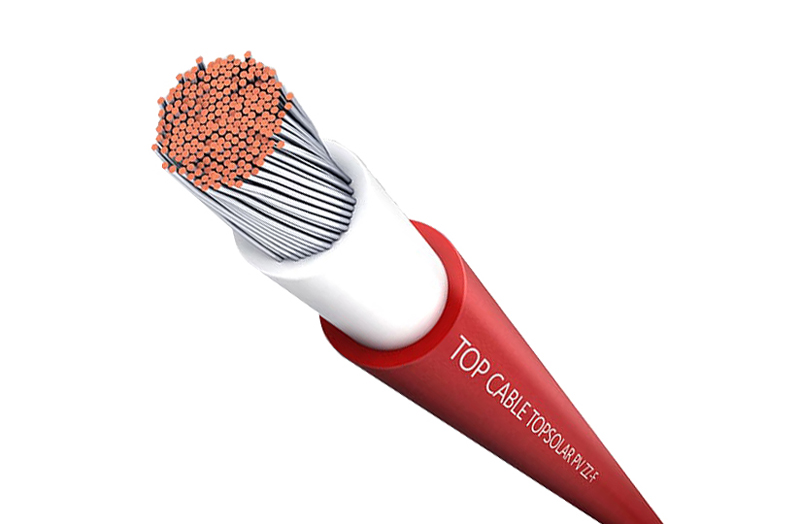 Особенностью выбора сечения кабеля для аккумуляторов является то, что напряжение в системе относительно низкое, и каждый вольт падения напряжения на кабеле сильно влияет на эффективность работы инверторов и контроллеров, а также на точность режимов заряда-разряда аккумуляторов. Дело в том, что практически во всех контроллерах и инверторах измерение напряжения проводится в самом электронном устройстве, поэтому всегда есть погрешность измерения. Эта погрешность будет больше, если падение напряжения на кабеле изменяется в широком диапазоне в зависимости от загрузки. Более того, если кабель выбран совсем неправильно, это может приводить к защитному отключению инвертора по падению напряжения на аккумуляторе даже при мощностях меньших, чем номинальная.
В батарейных мониторах, где нужна высокая точность определения напряжения на аккумуляторе, применяются специальные сигнальные провода для измерения напряжения непосредственно на аккумуляторной батарее.
От правильности выбора сечения проводов зависит надёжность, эффективность и безопасность работы всей системы. Для выбора сечения кабеля нужно знать:
- токи, протекающие через кабель — максимальный и номинальный
- постоянный или переменный ток протекает через кабель
- сколько жил у кабеля
- напряжение в системе
- способ прокладки (в помещении или снаружи, скрытая или открытая прокладка кабеля, подверженность воздействию влаги и ультрафиолета, и т.п.)
- материал кабеля (медь или алюминий)
Негативные последствия высокого падения напряжения в проводах
• Вследствие потерь энергии система становится менее эффективной. Полезно используемой энергии в аккумуляторных батареях станет меньше.
• Для получения одинаковой выходной мощности ток на стороне постоянного тока увеличится. Это может привести к перегоранию предохранителей постоянного тока.
• Высокие токи могут привести к перегрузке и перегреву инвертора.
• Падение напряжения в проводах во время зарядки приведет к недостаточному заряду аккумуляторов.
• Инвертор получает более низкое напряжение батареи. Это потенциально может вызвать срабатывание защиты по низкому напряжения.
• Кабели аккумулятора нагреваются. Это может привести к оплавлению изоляции проводов, повреждению кабельных каналов или подключенного оборудования. В крайних случаях нагрев кабеля может стать причиной пожара.
• Срок службы всего оборудования, подключенного к системе, сокращается.
Как уменьшить потери напряжения
• Кабели должны быть как можно короче.
• Используйте кабели достаточной величины сечения.
• Делайте прочные, но не слишком тугие соединения. Следуйте рекомендациям по крутящему моменту, указанным в руководстве на оборудование.
• Убедитесь, что все контакты чистые и не корродированные.
• Используйте качественные кабельные наконечники и обжимайте их подходящим инструментом.
• Используйте качественные разъединители аккумуляторов.
• Уменьшите количество соединений на участке кабеля.
• Используйте точки распределения постоянного тока или шины.
• Соблюдайте законодательство по электромонтажу.
Рекомендуется измерять падение напряжения в системе после завершения электромонтажа, содержащего батареи. Помните, что максимальное падение напряжения происходит при протекании максимального тока. Падение напряжения становится больше, когда ток увеличивается. Это бывает в периоды, когда инвертор загружен максимальной нагрузкой или когда зарядное устройство заряжает аккумулятор максимальным зарядным током.
Вы можете воспользоваться онлайн калькуляторами сечения кабеля
- Расчёт сечения проводов
- Расчет потери напряжения на кабеле в зависимости от его сечения и мощности/тока.
- Калькулятор расчета сечения кабеля по мощности и току
- Калькулятор электрического кабеля
- Калькулятор расчета сечения кабеля по мощности или току
Также, есть приложения для смартфонов. Например,
Как рассчитать необходимое сечение кабеля по длине и мощности?
 Расчет сечения кабеля по длине предполагает, что владелец заранее определил, какое количество метров проводника потребуется для электропроводки. Например, для соединения инвертора и аккумуляторной батареи обычно достаточно длины кабеля 1-2 м. Для расчета потребуются данные:
- L – длина проводника, м. Для примера взято значение 1 м.
- ρ – удельное сопротивление материала (медь или алюминий), Ом/мм2·м: 0,0175 для меди и 0,0281 для алюминия.
- I – номинальная сила тока, А.
Шаг 1. Определить номинальную силу тока по формуле:
I = P / U ,
где P – мощность инвертора в ваттах, U – номинальное напряжение АБ, В,
Шаг 2. Определить сечение проводника. Для этого нужно воспользоваться формулой (2):
R = ρ · L/S.
Потеря напряжения по длине проводника должна быть не более 2%:
dU = 0,02 · U.
Потери напряжения dU = I · R, отсюда R = dU/I , Ом. Тогда сечение проводника должно быть не меньше:
S = ρ · L/R .
Пример. Для инвертора мощностью 3 кВт, 24В, допустимой потери напряжения 1% и длины кабеля 1 м минимальное сечение кабеля должно быть 10 мм2.
Однако этот расчет произведен для голого проводника. При расчетах сечения кабеля специалист должен также учитывать методы прокладки кабеля: в лотках, пучками и т.п.
Кроме того, величины из таблиц о допустимых токовых нагрузках должны быть откорректированы следующими снижающими коэффициентами:
- поправочный коэффициент, соответствующий сечению кабеля и расположению его в блоке;
- поправочный коэффициент на температуру окружающей среды;
- поправочный коэффициент для кабелей, прокладываемых в земле;
- поправочный коэффициент на различное число работающих кабелей, проложенных рядом.
Для проводов в изоляции существует таблица максимально допустимых токов в зависимости от типа изоляции и количества проводников в кабеле.
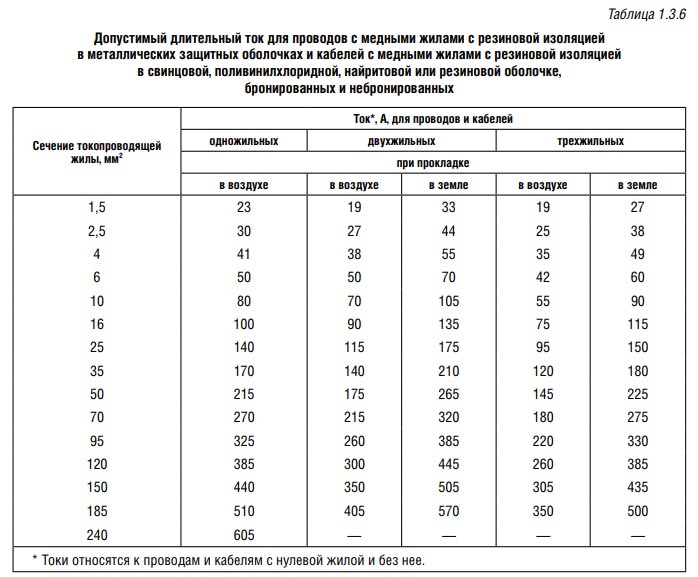
Видим, что минимальное значение для тока 125А для одножильного кабеля должно быть не менее 25мм2.
Минимальное сечение кабеля для двухжильных кабелей в зависимости от тока и материала проводника
Сечение жилы провода, мм2 |
Медные жилы |
Алюминиевые жилы |
|---|---|---|
Ток, А |
Ток, А |
|
0.5 |
6 |
|
0.75 |
10 |
|
1 |
14 |
|
1.5 |
15 |
10 |
2 |
19 |
14 |
2.5 |
21 |
16 |
4 |
27 |
21 |
6 |
34 |
26 |
10 |
50 |
38 |
16 |
80 |
55 |
25 |
100 |
65 |
35 |
135 |
|
50 |
175 |
|
70 |
215 |
|
90 |
260 |
|
120 |
300 |
Рекомендуемое сечение кабеля для длины 2 м в зависимости от мощности инвертора и напряжения АБ
| Сечение кабеля от АБ до инвертора (длина 2 м) | |||
| Мощность инвертора, Вт | Напряжение АБ, В | ||
| 12 | 24 | 48 | |
| 150 | 10 мм2 | 6 мм2 | — |
| 250 | 16 мм2 | 6 мм2 | — |
| 500 | 35 мм2 | 10 мм2 | — |
| 1000 | 50 мм2 | 25 мм2 | — |
| 1500 | 50 мм2 | 35 мм2 | — |
| 2000 | 70 мм2 | 50 мм2 | — |
| 2500 | 95 мм2 | 70 мм2 | 50 мм2 |
| 3000 | — | 95 мм2 | 50 мм2 |
| 3500 | — | 95 мм2 | 70 мм2 |
| 4500 | — | — | 70 мм2 |

Можно воспользоваться следующей формулой для выбора сечения провода:
R = E / I x L
R = удельное сопротивление провода в Ом/м
E = максимально допустимое падение напряжение в проводе, В
I = пропускаемый ток, А
L = общая длина кабеля в системе в метрах (умножить на 2 для положительного и отрицательного провода).
Например:
Нагрузка мощностью 60 Вт (ток будет равен 60/12 = 5A) находится на расстоянии 10 м от АБ напряжением 12В. Максимально допустимое падение напряжения составляет 2% (0.25 В):
R = 0.25 В / [(5 A)x(20м)] = 0.0025 Ом/м.
Удельное сопротивление провода должно быть меньше 0.0025 Ом/м. Из Таблицы 1 получаем минимальное сечение провода 6 мм2. Чем толще провод, тем меньше будет потерь при передаче энергии от АБ к нагрузке.
В более высоковольтных системах падение напряжения не так сильно сказывается на работе — так, для системы с напряжением 48 В те же допустимые 2% составляют уже 1 В, и для передачи одинаковой мощности требуется провод меньшим сечением.
Таблица 1
| Сечение провода | Максимальный допустимый ток, А | Сопротивление | |||
| Количество проводов в кабеле | Cable Clipped Direct To Open Surface | Ом/м | |||
| мм2 | 2-жильный | 3-жильный | 2-жильный | 3-жильный | на жилу |
| 1.0 | 11 | 9 | 12 | 10 | 0.018 |
| 1.5 | 13 | 12 | 15 | 13 | 0.012 |
| 2.5 | 18 | 16 | 21 | 18 | 0.0074 |
| 4.0 | 24 | 22 | 27 | 24 | 0.0046 |
| 6.0 | 30 | 27 | 35 | 30 | 0.0031 |
| 10.0 | 40 | 37 | 48 | 41 | 0.0018 |
| 16.0 | 53 | 47 | 64 | 54 | 0.0012 |
| 25.0 | 60 | 53 | 71 | 62 | 0.00073 |
| 35.0 | 74 | 65 | 87 | 72 | 0.00049 |
Таблица 2
Максимальная длина кабеля (в метрах) от источника энергии до потребителя при падении напряжения меньше 2% для 12В систем.
| Сечение кабеля (мм2) | ||||||||||||
| Ток, А | 1 | 1.5 | 2.5 | 4 | 6 | 10 | 16 | 25 | 35 | 50 | 75 | 100 |
| 1 | 7 | 10.91 | 17.65 | 28.57 | 42.86 | 70.6 | 109.1 | 176.5 | 244.9 | — | — | — |
| 2 | 3.53 | 5.45 | 8.82 | 14.29 | 21.4 | 35.3 | 54.5 | 88.2 | 122.4 | 171.4 | — | — |
| 4 | 1.76 | 2.73 | 4.41 | 7.14 | 10.7 | 17.6 | 27.3 | 44.1 | 61.2 | 85.7 | 130.4 | — |
| 6 | 1.18 | 1.82 | 2.94 | 4.76 | 7.1 | 11.7 | 18.2 | 29.4 | 40.8 | 57.1 | 87 | 117.6 |
| 8 | 0.88 | 1.36 | 2.2 | 3.57 | 5.4 | 8.8 | 13.6 | 22 | 30.6 | 42.9 | 65.25 | 88.2 |
| 10 | 0.71 | 1 | 1.76 | 2.86 | 4.3 | 7.1 | 10.9 | 17.7 | 24.5 | 34.3 | 52.2 | 70.6 |
| 15 | — | 0.73 | 1.18 | 1.9 | 2.9 | 4.7 | 7.3 | 11.8 | 16.3 | 22.9 | 34.8 | 47.1 |
| 20 | — | — | 0.88 | 1.43 | 2.1 | 3.5 | 5.5 | 8.8 | 12.2 | 17.1 | 26.1 | 35.3 |
| 25 | — | — | — | 1.14 | 1.7 | 2.8 | 4.4 | 7.1 | 9.8 | 13.7 | 20.9 | 28.2 |
| 30 | — | — | — | — | 1.4 | 2.4 | 3.6 | 5.9 | 8.2 | 11.4 | 17.4 | 23.5 |
| 40 | — | — | — | — | — | 1.8 | 2.7 | 4.4 | 6.1 | 8.5 | 13 | 17.6 |
| 50 | — | — | — | — | — | — | 2.2 | 3.5 | 4.9 | 6.9 | 10.4 | 14.1 |
| 100 | — | — | — | — | — | — | — | 1.7 | 2.4 | 3.4 | 5.2 | 7.1 |
| 150 | — | — | — | — | — | — | — | — | — | 2.3 | 3.5 | 4.7 |
| 200 | — | — | — | — | — | — | — | — | — | — | 2.6 | 3.5 |
Для систем с 24 или 48В длина кабеля может быть в 2 или 4 раза больше. Для напряжения 220В длина может быть в 20 раз больше.
 Во многих инструкция к оборудованию, произведенному в Америке или для американского рынка, упоминаются размеры проводов в калибре AWG (American Wire Gauge). Ниже приведена таблица для перевода AWG в метрическую систему измерений.
| Преобразование American Wire Gauge в мм2 | ||
| AWG | Максимальный ток на 1 проводник, А | Сечение, мм2 |
| 20 | 7 | 0.52 |
| 18 | 10 | 0.82 |
| 16 | 15 | 1.31 |
| 14 | 20 | 2 |
| 12 | 25 | 3.31 |
| 10 | 40 | 6.68 |
| 8 | 65 | 8.37 |
| 6 | 95 | 13.3 |
| 4 | 125 | 21.15 |
| 2 | 170 | 33.62 |
| 1 | 195 | 42.41 |
| 1/0 | 230 | 53.5 |
| 2/0 | 265 | 67.43 |
| 3/0 | 310 | 85 |
| 4/0 | 360 | 107.2 |
| 250 | 405 | 126.7 |
| 300 | 445 | 152 |
| 500 | 620 | 253.4 |
| 750 | 785 | 300.66 |
| 1000 | 935 | 506.7 |
Еще полезные параметры для расчета параметров «падение напряжения» и «сечение кабеля»
- Плотность меди — 8,93*103кг/м³;
- Удельный вес меди — 8,93 г/cм³;
- Удельная теплоемкость меди при 20°C — 0,094 кал/град;
- Температура плавления меди — 1083°C ;
- Удельная теплота плавления меди — 42 кал/г;
- Температура кипения меди — 2600°C ;
- Коэффициент линейного расширения меди (при температуре около 20°C) — 16,7 *106(1/град);
- Коэффициент теплопроводности меди — 335ккал/м*час*град;
- Удельное сопротивление меди при 20°C — 0,0167 Ом*мм²/м;
Сопротивление кабелей нормируется ГОСТ 22483-77 ЖИЛЫ ТОКОПРОВОДЯЩИЕ МЕДНЫЕ И АЛЮМИНИЕВЫЕ ДЛЯ КАБЕЛЕЙ, ПРОВОДОВ И ШНУРОВ
Кабель для соединения инверторов и аккумуляторов и специальные «солнечные» провода можно купить у нас в Интернет-магазине
Использовались материалы: Wind and Sun Ltd
Продолжить чтение
- 10000
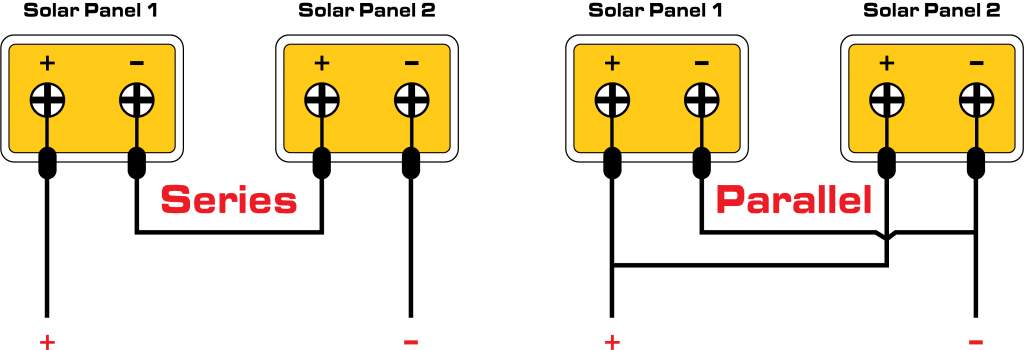 Как правильно соединять солнечные модули в солнечную батарею? Для увеличения мощности солнечной батареи несколько фотоэлектрических модулей соединяют последовательно и/или параллельно. Увеличение мощности солнечной батареи позволяет больше использовать экологически чистую солнечную энергию для питания различных потребителей электроэнергии. Очень часто наши клиенты…
 - 10000
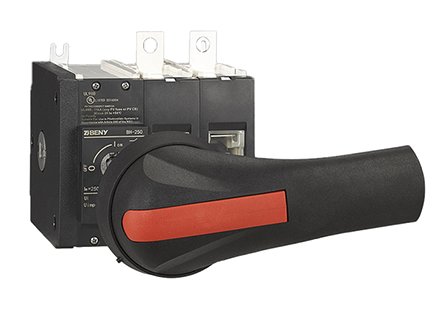 Автоматы, предохранители, DC отключатели Важность использования основного отключателя постоянного тока Большинство инверторов и даже некоторые контроллеры заряда имеют внутри очень большие конденсаторы. Когда вы подключаете аккумуляторную батарею к большому инвертору или контроллеру заряда, часто в течение доли секунды происходит значительное…
 - 10000
 Резервное электроснабжение Автономное электроснабжение Системы с солнечными батареями Библиотека См. также полную карту нашего сайта со списком всех статей. Купить готовые системы электроснабжения вы можете у нас, мы бесплатно подберем вам комплект оборудования, если вы заполните "Форму заявки" Примеры комплектации…